
Wall insulation in Bel Air South, MD - warmer rooms without opening up your walls
Cold outside walls and chilly corner rooms usually mean the walls are empty. We check what's inside, then fill them so the rooms hold heat.
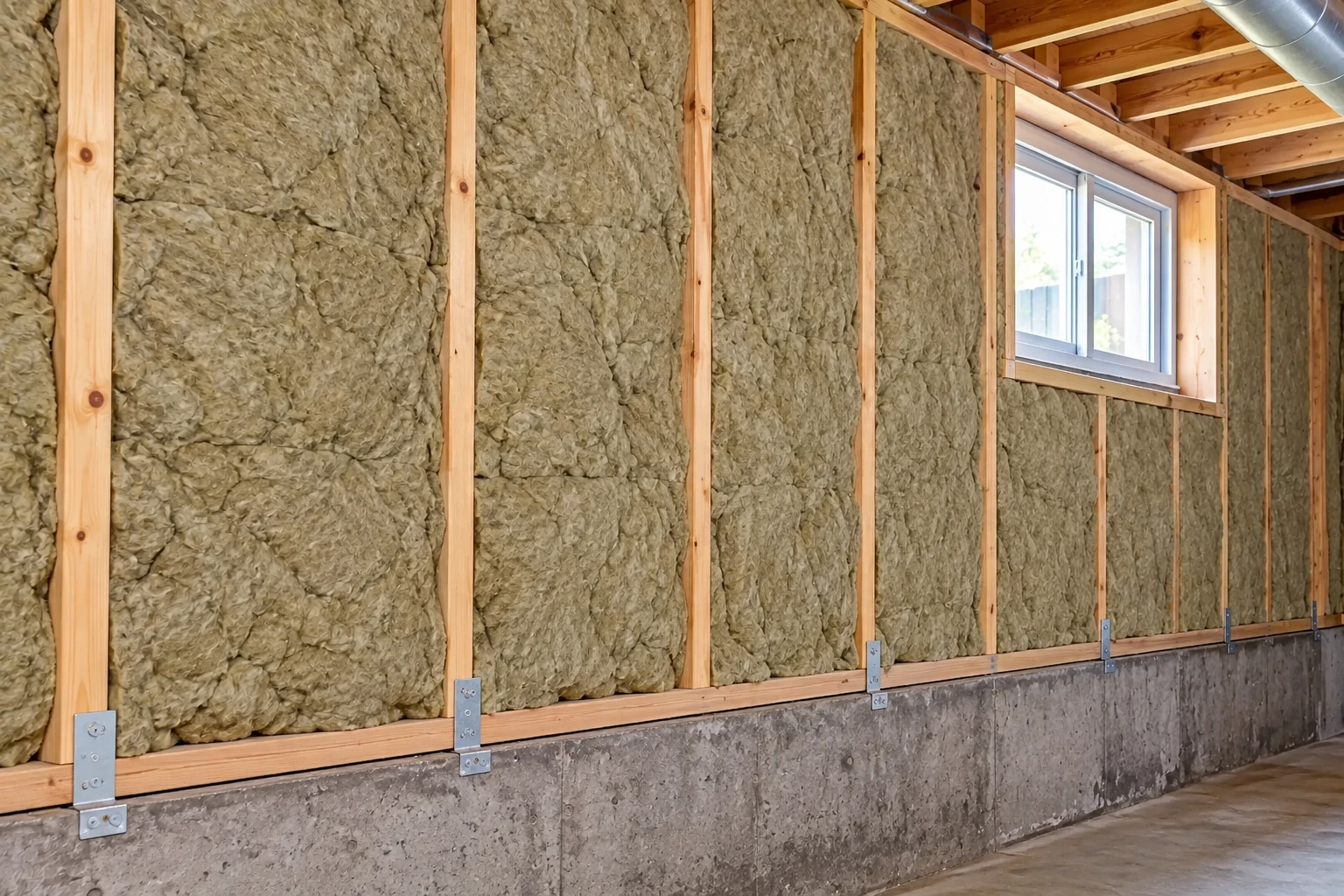
Can you insulate the walls of a house that's already built?
For a house that's already built, wall insulation in Bel Air South, MD usually means drill and fill: our crew makes small holes near the top of each wall cavity, the hollow bay between two studs, blows loose insulation in through a hose until it's full, and closes the holes back up.
Most calls start the same way. A bedroom on the outside corner never warms up, the wall feels cold when you lean on it, or the power bill climbs every winter even though the attic's been done. In a lot of older houses the walls were simply left empty, and filling them is one of the few fixes that doesn't mean tearing anything open.
The price mostly comes down to how much outside wall there is, whether we go in from inside or outside, what's already in the cavities and whether anything in them, like old wiring, has to be dealt with first. The schedule turns on whether a permit is needed, whether an electrician has to come first and whether you're waiting on new siding, and the written estimate from my visit spells out which walls I'd fill and how.
- We fill the outside walls, the ones between your rooms and the weather, since that's where heat leaves.
- Every hole gets plugged and patched, and inside walls usually need a coat of paint afterward.
- The room over the garage and walls beside an unheated porch count as outside walls too.
What happens after you call about wall insulation?
I like you to know what's coming before anyone touches a wall. Here's how a wall job runs with us, from the first call to the last walk-through.
Call or send us a note
Tell us which rooms bother you and what you've noticed, and we'll set a time for me to come out. Our phones are answered evenings and weekends too, so pick a time that fits your week.
I come out and look
I come out myself, look at the walls, the attic and the basement or crawl space, and ask a lot of questions about the house. Then you get a written estimate that says which walls are worth filling, how we'd get into them and what I'd do first and why.
Our installers fill the walls
Our installers do the work in the order we talked through, one side of the house or one room at a time. I check in on the job while they're there.
We walk through it together
I go over the finished walls with you, show you where the holes went and how they were closed, and answer whatever's left. You should come away knowing your house a little better than before.
What filling an existing wall looks like
These photos show the kind of work wall insulation involves, from drilling and filling to patching afterward. They're general pictures of the trade, so you have a sense of what to expect in your own rooms.
A worker in protective gear sprays foam insulation into exposed roof framing.
An attic with loose yellow insulation filling the floor between wooden joists.
White blown-in insulation covers an attic floor beneath exposed wooden roof trusses.
A spacious attic has a deep layer of white loose-fill insulation across the floor.
A worker wearing a respirator uses a wide hose to remove loose insulation from attic floor joists.
Crawl space with a white plastic vapor barrier covering the floor and walls, with exposed joists, insulation, ducts, and pipes overhead.
Find out if your walls are worth filling
Call (410) 836-5406 or send the form, and we'll reply within one business day to set up a free on-site estimate with no obligation. Have your house's age, what's in the walls and any siding plans handy.
(410) 836-5406Wall insulation questions we hear in Bel Air South
These are the questions people ask me most while I'm standing in their living room looking at the outside walls. If yours isn't here, ask it when I come out.
Is my house a good candidate for wall insulation?
If the cavities between your studs are empty, your house is a good candidate. If they already hold some insulation, adding more can be too hard to do well or just not worth what it costs, so what's in there now decides it. I check a few walls on my visit, and if I don't think it's worth your money, I'll say so.
How much does wall insulation cost in Bel Air South?
Installing blown-in wall insulation usually costs about $4 to $4.50 per square foot across the US, and that's a national figure, not a local one. Your price depends on how much wall we're filling, which side we work from and what turns up inside, and the written estimate from my visit puts a number on your house.
How do I tell if my walls already have insulation?
The quickest check is an outlet or switch on an outside wall. With the breaker off, take off the cover plate and shine a flashlight into the gap beside the box, and you'll usually see batts, loose fill or nothing at all. If you'd rather not poke around wiring, I'll check a few spots when I come out.
What is the best way to insulate the walls of an older house?
The best way is to check the wiring and the age of the house before anything gets drilled. The National Electrical Code doesn't allow insulation applied to or surrounding knob and tube wiring, the old kind strung on porcelain knobs, so a wall that still has it doesn't get filled, and if the wiring needs work we bring in a licensed electrician for that part. If your house was built before 1980, lead safety rules apply depending on how much of the inside and outside of the walls gets disturbed.
Who is allowed to install insulation in Maryland?
Only a contractor licensed by the Maryland Home Improvement Commission may install insulation in Maryland, whatever the material or method. We're licensed and fully insured, and hiring licensed protects your money too, because the state's Guaranty Fund repays homeowners for actual losses from poor workmanship or a contractor who doesn't finish the job, up to what you paid or $30,000, whichever is less, but only for work by licensed contractors. On our end, satisfaction is guaranteed on every job.
Do we have to leave the house while you insulate the walls?
Usually not, since loose fill blown into the walls doesn't make the house unlivable while we work. You'll want kids and pets away from the rooms we're drilling in, and when we work from inside we cover the floors and close off the area before the first hole so the dust stays put.
Wall insulation in Bel Air South and the cities around it
Harford County's permit office covers Bel Air South, so I check whether your wall job needs a permit before we drill, and we handle it if so. We also work in Bel Air, Abingdon and cities around them.