
Basement insulation in Bel Air South MD - dry walls and a warmer first floor
Cold floors, a musty basement or a chilly first floor? We fix the water first, then insulate the walls so the warmth stays put.
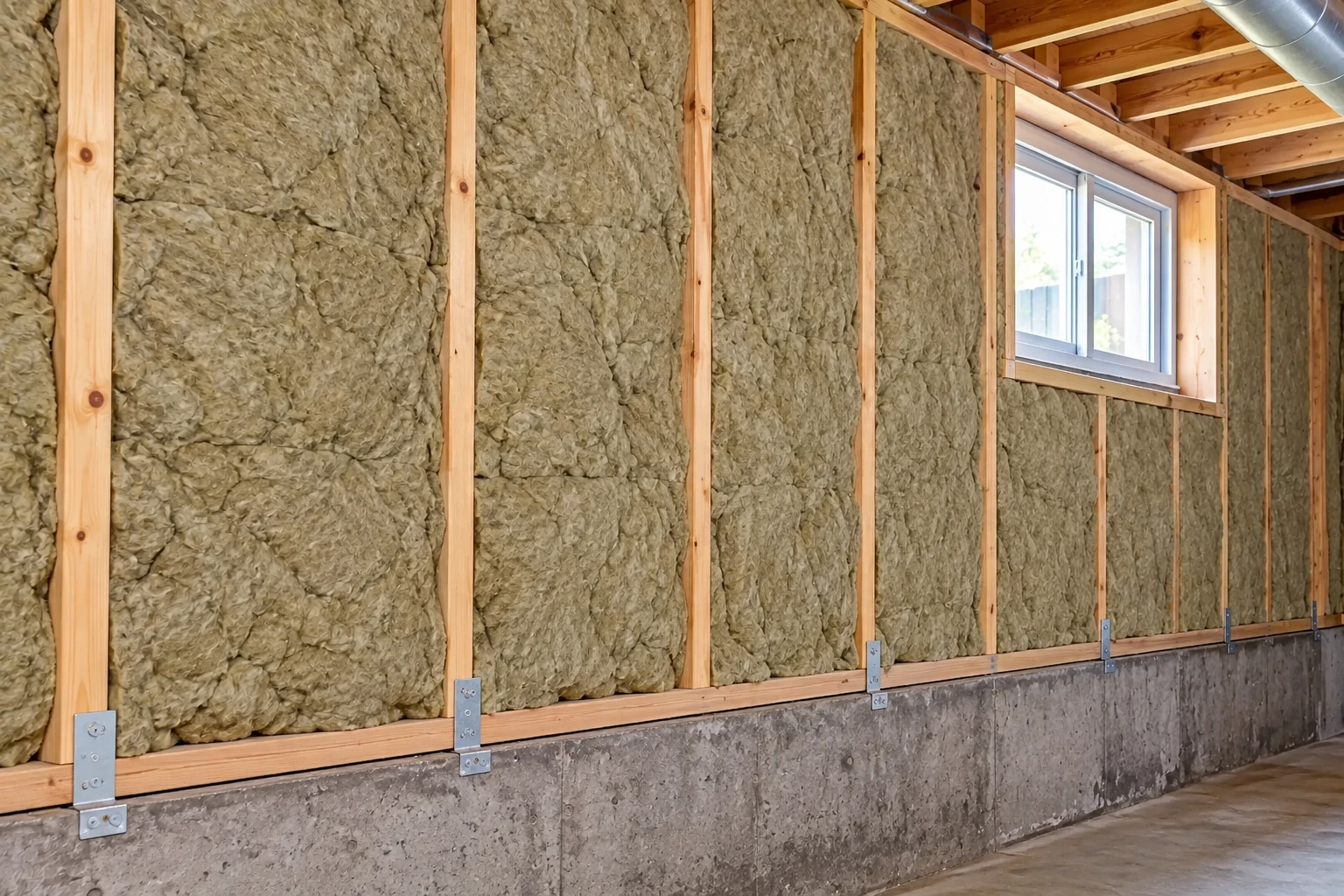
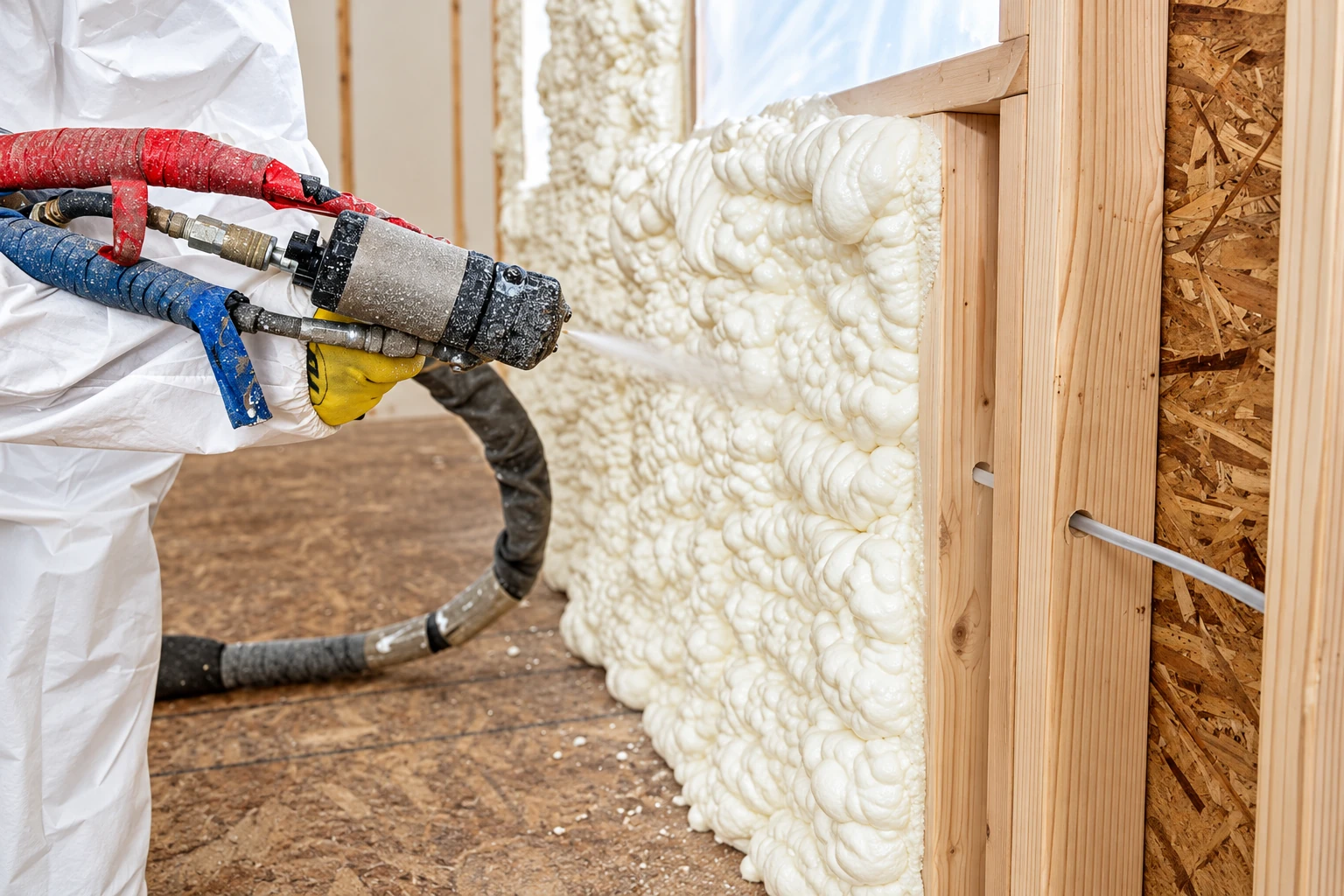
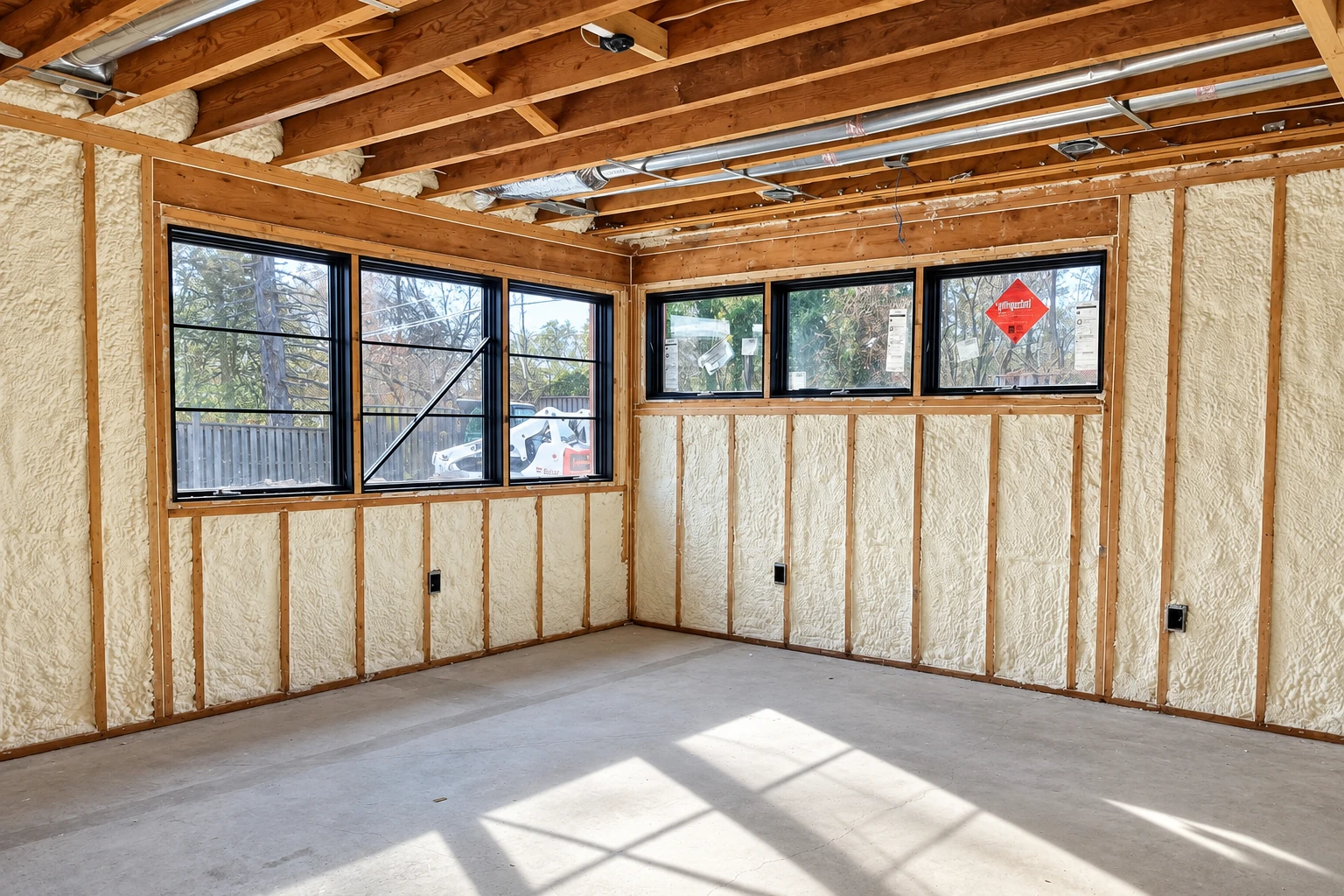
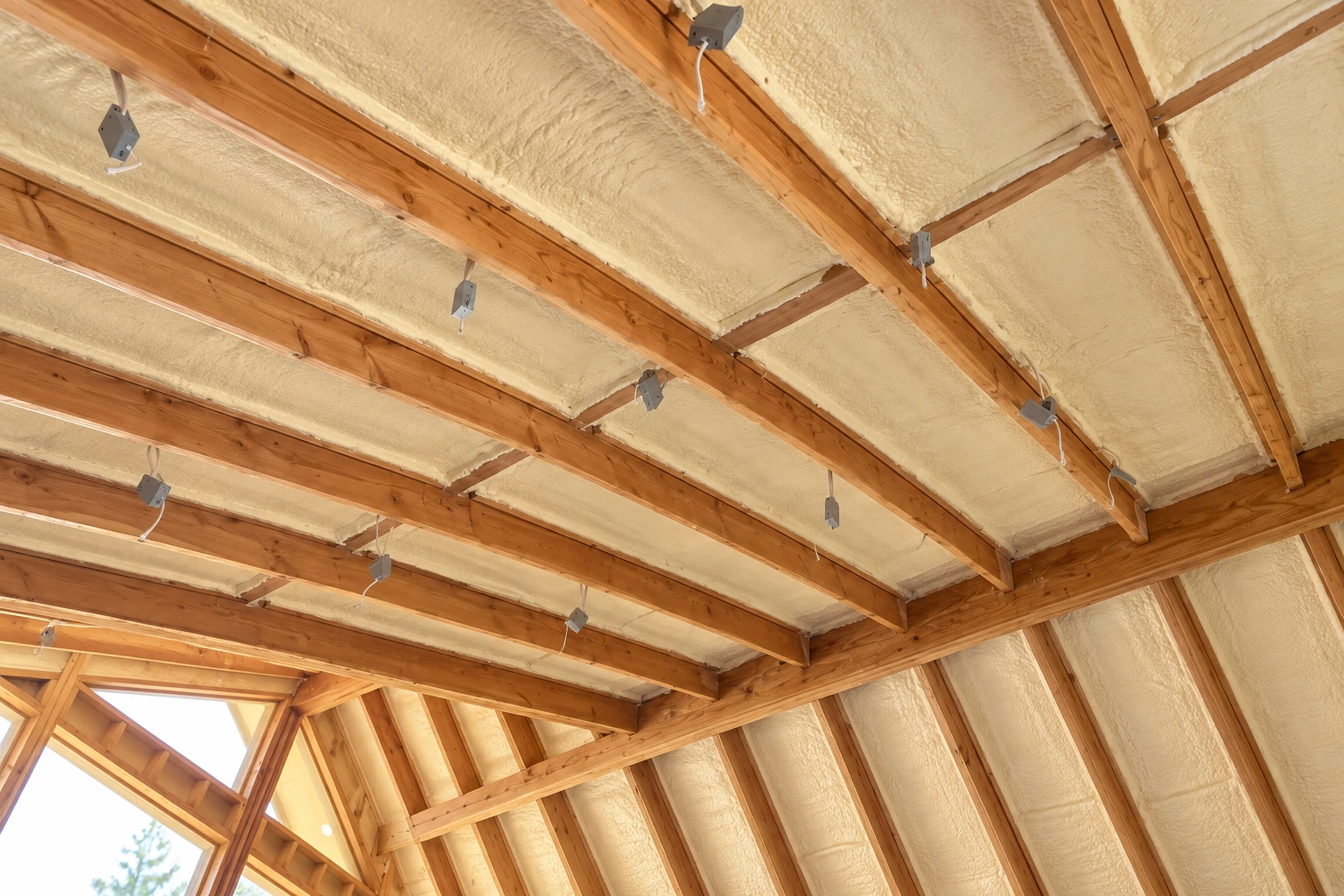
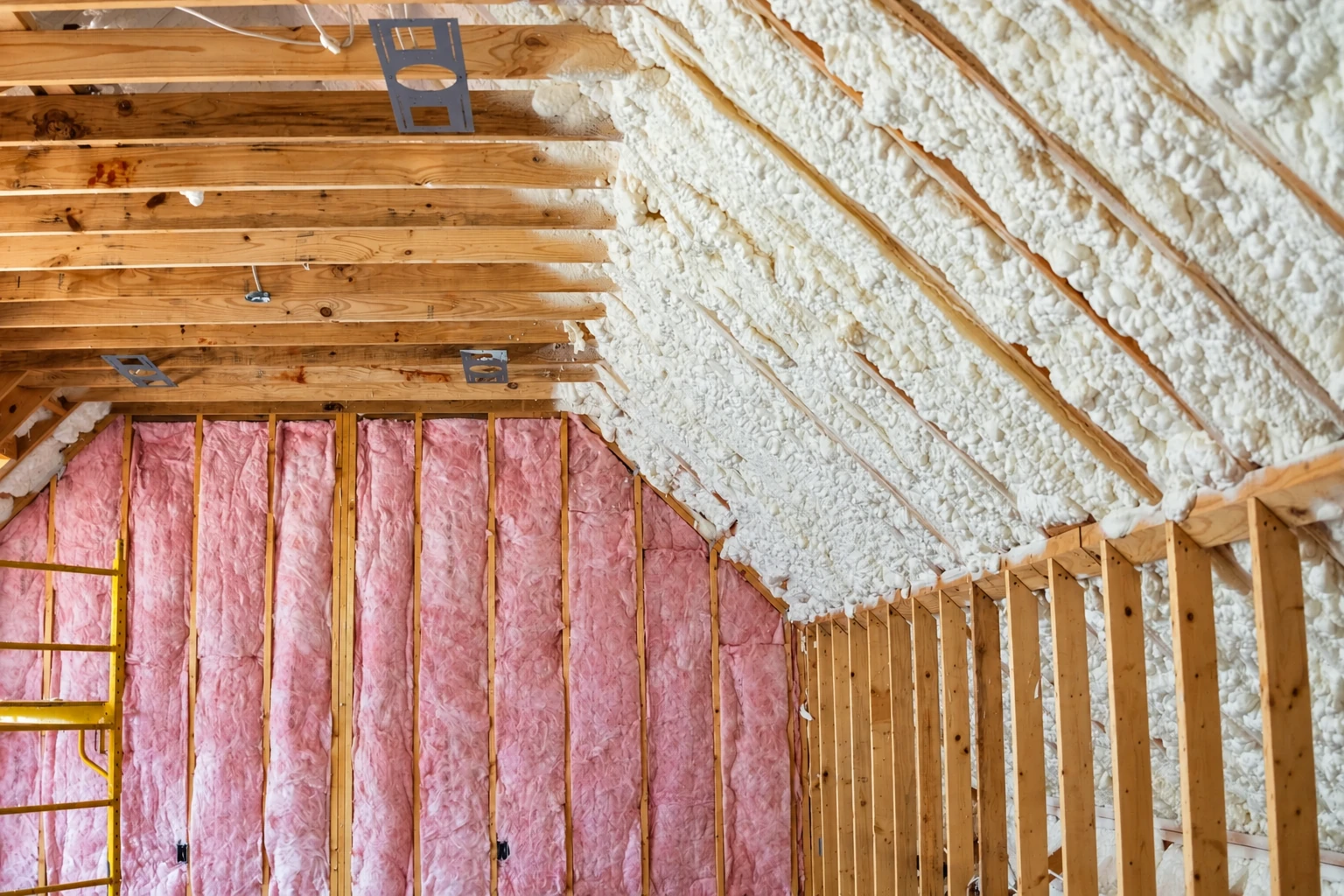
Is insulating my basement walls worth it?
Basement insulation in Bel Air South lines the inside of your foundation walls so the basement holds its heat through the winter instead of losing it into the ground around the house.
Most calls I get about basements start with cold floors upstairs, a musty smell down below or a power bill that seems high for the size of the house. Some folks are getting ready to finish the space and want the walls planned right before any drywall goes up, which is the easiest time to get it right.
What moves the price is how much wall there is, which material suits your foundation, whether old insulation has to come out and whether a water problem has to be fixed before we start. The schedule mostly turns on that water work and on clearing the walls so we can reach them, and the written estimate I give you after my visit spells out your own figure.
- Old insulation that's wet or moldy comes out first, and our insulation removal work handles that.
- We seal the gaps around pipes, wires and the top of the foundation wall while we're down there.
- If you're finishing the basement later, we plan the insulation now so the framing goes up around it.
What happens after you call about your basement?
I'm the one who comes out to look, and our installers do the work in the order we agree on. Here's how it goes from your first call to the walkthrough at the end.
Call or send us a note
Call (410) 836-5406, email hi@belairsouthinsulation.com or use the form on this page, and we'll set up a time for me to come see your basement. It helps to jot down where you've seen water and roughly how much wall you want covered.
I walk the basement with you
I check the walls for water, look at what's on them now and ask how you use the space, then walk you through what I'd do first and why. You get a written estimate that lays out the order of the work, the materials and the price.
Our installers do the work
Our installers work in the order we talked about, and I check in on the job as it goes. If anything turns up electrical, plumbing or heating work, we bring in a licensed trade for that part.
We go over the finished walls
Before we leave, I walk the finished job with you, show you what went where and answer whatever questions are left. Satisfaction guaranteed on every job.
What basement insulation looks like on the wall
These photos show the kinds of materials and wall setups we talk through on a basement visit. They're general pictures of the trade, so ask me which one fits your foundation.
A worker in protective gear sprays foam insulation into exposed roof framing.
An attic with loose yellow insulation filling the floor between wooden joists.
White blown-in insulation covers an attic floor beneath exposed wooden roof trusses.
A spacious attic has a deep layer of white loose-fill insulation across the floor.
A worker wearing a respirator uses a wide hose to remove loose insulation from attic floor joists.
Crawl space with a white plastic vapor barrier covering the floor and walls, with exposed joists, insulation, ducts, and pipes overhead.
Get a written estimate for insulating your basement
We reply within one business day to set a time for me to come look at your basement. The estimate is free, done on site, and you're under no obligation to go ahead.
(410) 836-5406Basement insulation questions we hear in Bel Air South
These are the questions homeowners ask me most while we're standing at the bottom of the basement stairs. If yours isn't here, call (410) 836-5406 and I'll talk it through with you.
Will insulating my basement walls warm up the rest of the house?
Usually, yes, because a basement that holds its heat tends to keep the first floor above it warmer too. Warmer floors are often the first thing people notice, since nobody enjoys cold feet at the coffee maker.
How much does basement insulation cost in Bel Air South, MD?
Insulation in the Baltimore area usually costs about $1 to $5 per square foot, and that's general pricing across insulation work, not a basement quote of ours. Where your job lands depends on how much wall there is, the material, whether foam needs a cover and whether water repair comes first, and the written estimate after my visit gives you the real number.
What is the best way to insulate basement walls that get damp?
Closed-cell spray foam handles moisture better than any other insulation used on the inside of a foundation wall, and it seals out drafts at the same time. Open-cell foam also seals air well, but it has to go on thicker before it slows moisture moving through the wall, so it's a better fit for walls that stay dry.
Does spray foam in a basement have to be covered?
Yes, spray foam needs a cover, either an ignition-barrier paint, which is a fire-protective coating, or drywall over it. We plan that cover into the estimate so it isn't a surprise at the end.
How do I keep a finished basement wall from trapping moisture?
Keep plastic sheeting and foil-faced sheathing off the inside of fiberglass or other fibrous insulation in a basement, because those layers can trap moisture in the wall. Before the drywall goes up, ask what's covering the insulation, and if the answer is plastic, ask why.
Who can I hire to insulate my basement in Maryland?
Hire a contractor licensed by the Maryland Home Improvement Commission, because only licensed contractors can contract with homeowners for home improvement work, which includes altering or repairing a house. Hiring licensed also puts you under the state's Guaranty Fund, which can repay money you actually lost to poor work or a job left undone, up to what you paid that contractor and no more than $30,000. We're licensed and fully insured.
Basement insulation in Bel Air South and the cities nearby
Before work starts I check whether your address needs a permit, starting with Harford County's permit office, which takes questions weekdays from 7 a.m. to 4 p.m. at 410-638-3122, and if one's needed we take care of it. We're based in Bel Air South and work across Harford County and into Baltimore County, including Bel Air and Abingdon, mostly in lived-in basements that are half storage and half future rec room.