
Bel Air South Spray Foam InsulationBel Air South Spray Foam Insulation(410) 836-5406

Insulation contractor in Bel Air South, MD - attics sealed, then insulated

Bel Air South Spray Foam Insulation is an insulation contractor based in Bel Air South, MD. We seal air leaks and insulate attics, walls, basements and crawl spaces so rooms stop running hot or cold.

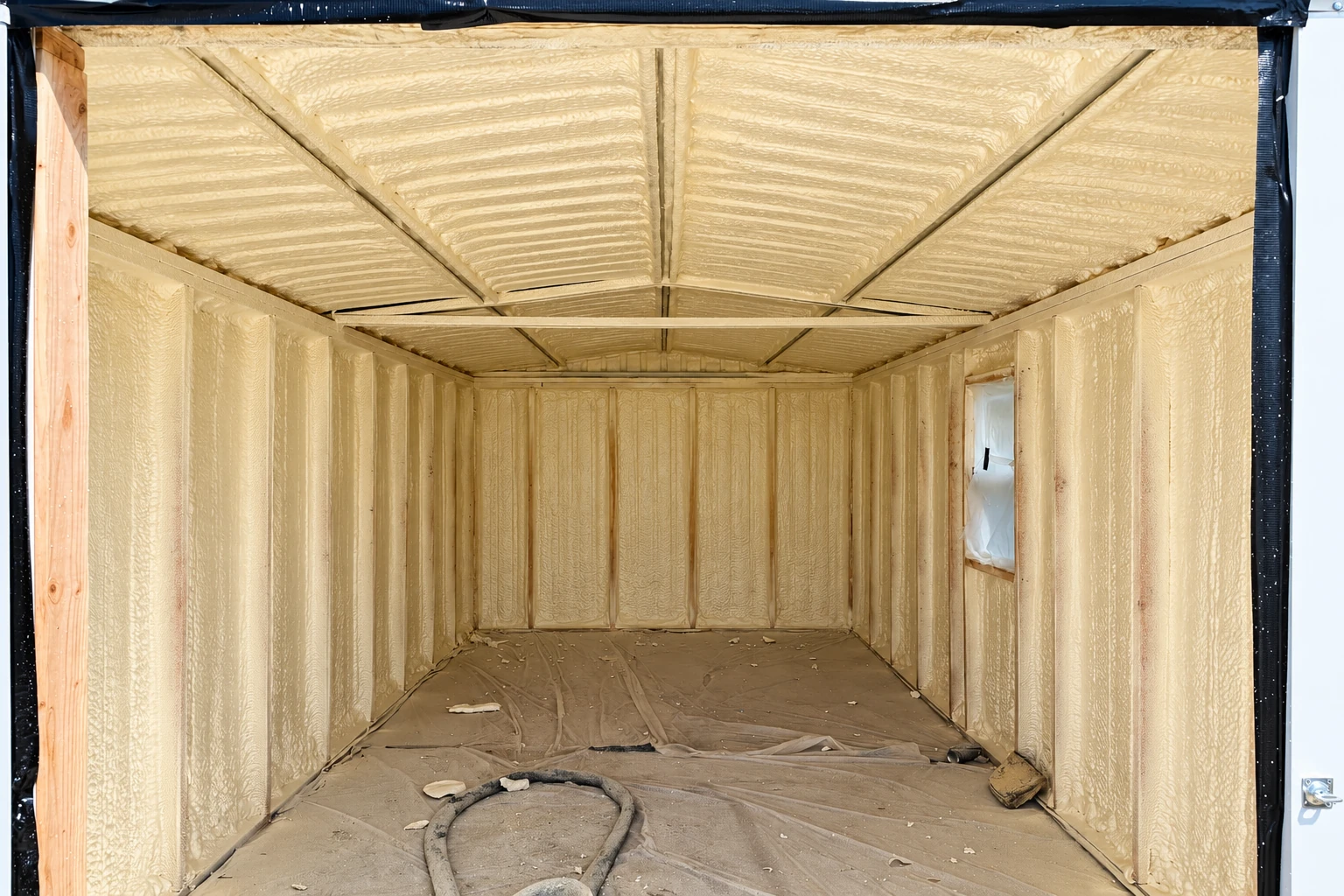
A small framed structure is coated inside with tan spray foam across its walls and pitched ceiling, with protective sheeting on the floor.

Bel Air South, as we see it from the attic

We're based in Bel Air South, with Bel Air just to the north and Edgewood to the south, and we do the same work in both. Most homes here are lived in by the people who own them, and that's exactly the kind of house I left new construction to work in. The calls usually start the same way. It's an upstairs bedroom that won't cool down, a room over the garage nobody wants to sit in, or a power bill that seems too high for the house.

A lived-in house has finished rooms, boxes stored in the attic and years of small changes nobody wrote down, so I look carefully before I quote anything. It also means we work around your kids, your pets and your routine.

Insulation services we offer in Bel Air South

Most of what we do here starts in the attic, because that's usually where the air leaks and the thin spots are. We also insulate walls, basements and crawl spaces, put down vapor barriers, pull out old insulation that's past saving, and handle commercial buildings. I plan every job in the same order. I look first, we sort out leaks and safety items, and then we insulate. Some homeowners call before a bigger remodel, and that's the best time to get the order right.

  • Spray foam insulation

    Spray foam earns its cost where air sealing and insulation have to happen in one pass, like a tight roofline or a room over the garage. We use it where it makes sense and use cheaper material where that does the same job.

    Explore service
  • Attic insulation

    Hot bedrooms upstairs usually trace back to an attic with thin or patchy insulation. We check how many inches are already up there, seal the gaps, then bring the whole attic floor to an even depth.

    Explore service
  • Blown-in insulation

    Blown-in insulation is loose fill blown through a hose, and it's the easiest way to top up an attic that already has some. We keep it from burying the eave vents so the attic can still breathe.

    Explore service
  • Home insulation

    When the whole house feels drafty, not just one room, I go through the attic, walls and crawl space before suggesting anything. You get a plan that starts where the most heat is leaving, not a list of everything we sell.

    Explore service
  • Insulation removal

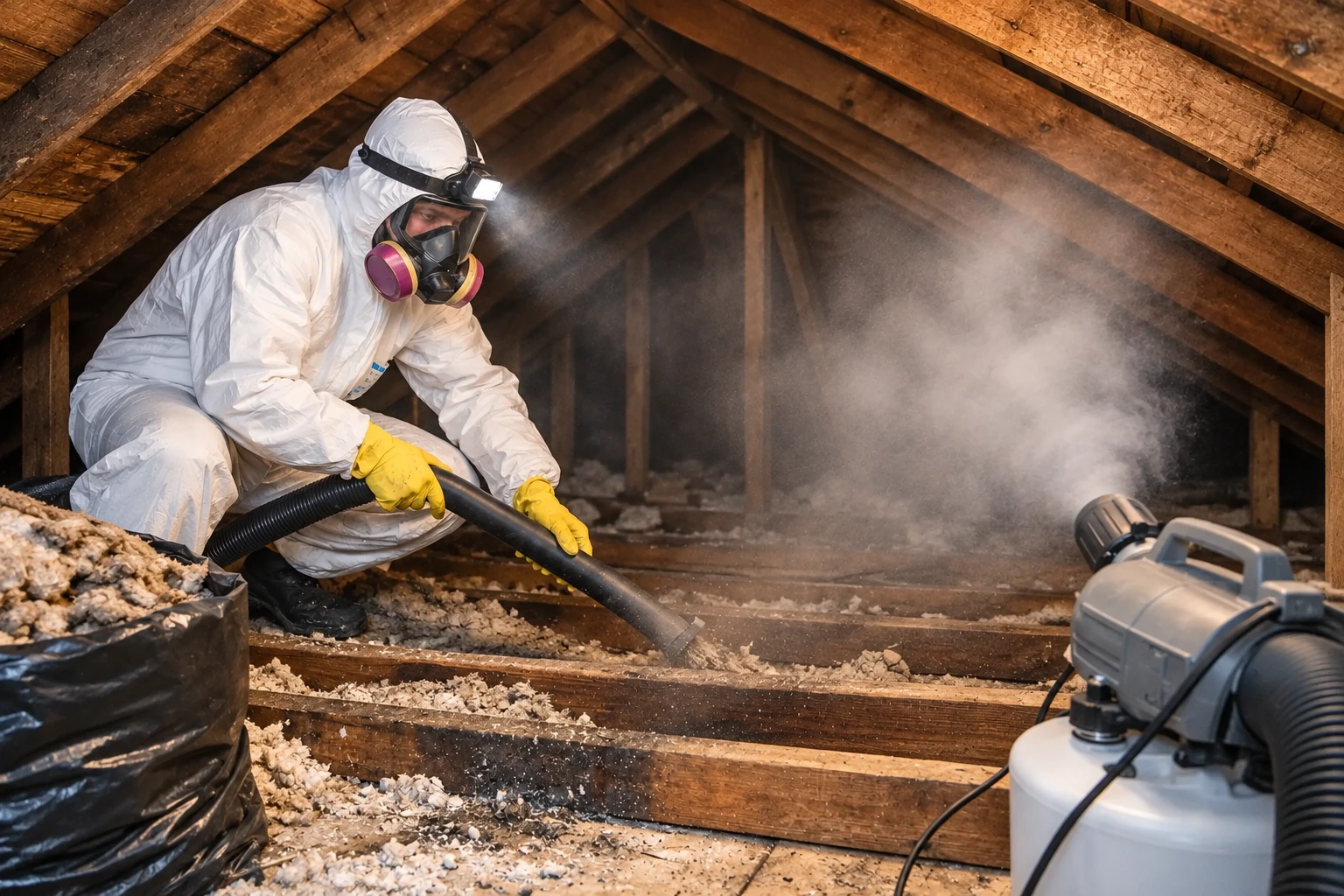
    Old insulation that got soaked or filled with droppings has to come out, because new material laid on top just hides the problem. We bag it out, clean up and check the framing before anything new goes in.

    Explore service
  • Crawl space insulation

    Cold floors usually mean a crawl space is losing heat right under your feet. We deal with any moisture down there first, then insulate so the floor above stays warmer.

    Explore service
  • Wall insulation

    Walls that were left empty or half filled make a room feel cold no matter how high the heat runs. We can fill closed walls through small holes and patch them, so you don't lose your drywall to get warmer.

    Explore service
  • Air sealing services

    Air sealing means closing the gaps before any insulation goes in, and it's the step that gets skipped most. We seal around pipes, wires, chimneys and the attic hatch so the insulation isn't fighting a draft.

    Explore service
  • Basement insulation

    A finished or half-finished basement can feel chilly and damp at the same time. We check for water first, then pick a material that won't trap moisture against the foundation.

    Explore service
  • Closed-cell foam insulation

    Closed-cell foam is a dense foam that blocks moisture as well as heat, so it suits rim joists, basement walls and crawl spaces where damp is part of the picture. It costs more, so I use it where moisture makes it worth the money.

    Explore service
  • Open-cell foam insulation

    Open-cell foam is softer and lighter, and it's good at filling odd-shaped cavities and quieting a room. We use it inside, where the wall or roofline stays dry and you want air sealed in the same step.

    Explore service
  • Commercial insulation

    Offices, shops and small commercial buildings around Bel Air South leak air the same way houses do, just with more ceiling to work around. We plan the work around your hours so the business can keep running.

    Explore service
  • Crawl space vapor barrier

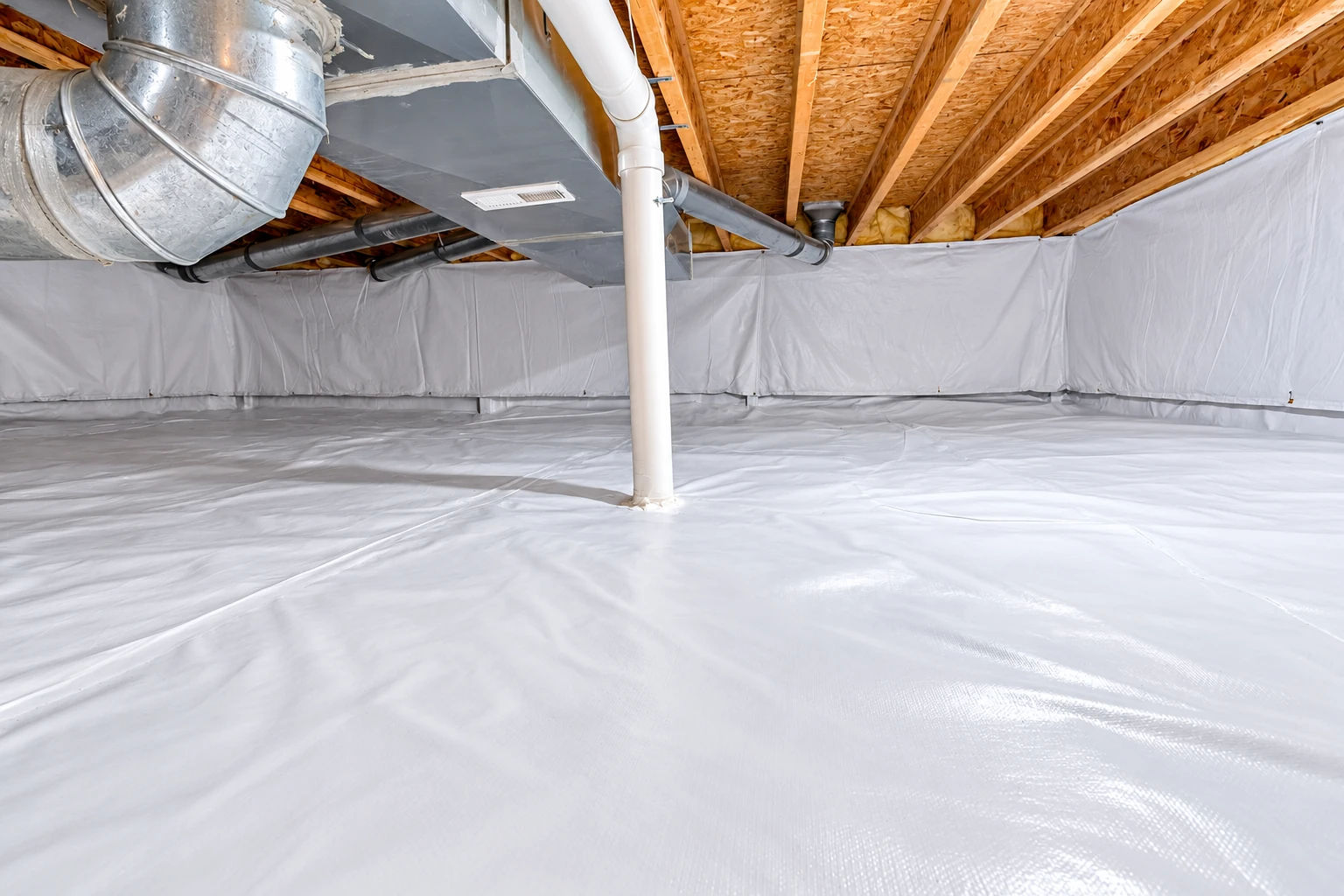
    A bare dirt crawl space lets ground moisture rise into the house, and you notice it as musty smells and damp insulation. We lay a vapor barrier, a heavy plastic sheet over the ground, to keep that moisture down where it belongs.

    Explore service
  • Vapor barrier installation

    Where a vapor barrier goes depends on the wall, the room and which side stays warm, and putting it on the wrong side can trap water. We look at how your house is built before we decide whether one belongs there at all.

    Explore service
  • Attic air sealing

    This is the job we're best known for, because a leaky attic floor pulls conditioned air out of the rooms below all year. We seal around can lights, plumbing stacks, wiring holes and the hatch before any insulation goes up.

    Explore service
  • Retrofit insulation

    Retrofit work means adding insulation to a house people already live in, which is the work I left new construction to do. We work around finished ceilings, stored boxes and the people living there, and we protect the rooms we walk through to reach the attic.

    Explore service

Permits, licenses and planning for Bel Air South jobs

Before anything goes into your attic, there's a permit question, a license question and a plan for the order of the work. Here's how each one plays out on a job in Bel Air South.

Who issues permits and checks contractors

Building permits in Harford County come from the county's Department of Inspections, Licenses and Permits, which answers code questions at (410) 638-3122. Whether your job needs one depends on the work, so I check with the office that covers your address before we start, and if a permit is needed, we handle it. With a permit, the work stays uncovered until it's inspected and approved, which can add a wait.

Two licenses are worth checking on any contractor. One is the Maryland home improvement license, which the county wants to see, along with a copy of your signed contract, before it'll list a contractor on a residential permit. The other is a Harford County business license, which the county's Clerk of Court issues. I'm glad to go over both with you at the estimate.

  • Ask any contractor for their Maryland home improvement license before you sign.
  • Get a signed contract, because the county wants a copy with permits.
  • With a permit, nothing gets covered until the county inspects it.

What sets the price and the schedule

Price comes down to what's already in your attic and what has to happen before new insulation goes on top. The inches up there now, whether old material is soaked or full of droppings and has to come out, how many gaps need sealing around lights, pipes and the hatch, and whether foam or blown-in fits the space all move the number. The estimate is where you get yours.

The schedule turns on the same things, plus the permit. A top-up over an attic that's dry and in decent shape is the quickest kind of job, while removal, heavy sealing, or a permit and its inspection add steps. We plan the day around your household, so you know ahead of time which rooms we need and when.

  • How many inches are already up there sets much of the cost.
  • Soaked or dirty insulation comes out before anything new goes in.
  • A needed permit and inspection add a step before we finish.

Get a free on-site insulation quote in Bel Air South

Call (410) 836-5406 or send the form, and we'll get back to you within one business day to set a time. I come out to your Bel Air South house myself, look at the attic, walls or crawl space, and talk it through with you before giving you a quote. It's free, and there's no obligation to book anything.

(410) 836-5406

What we find in Bel Air South attics and crawl spaces

Every house has its own story, but the same few problems turn up again and again. These are the ones I look for first when I walk through a house here.

  • Wet yards and damp lower levels

    Poor yard drainage is common across Harford County, from groundwater sitting high on clay soil, low-lying houses and poor grading, and homes with basements below ground level are more prone to flooding in wet spots. So in a basement or crawl space, I look for water before I say a word about insulation.

  • Deep in the middle, thin at the edges

    Plenty of attics have insulation piled high in the middle and thin at the edges, which is backward, because the edges over your outside walls are where heat slips out easiest. We even out the whole attic floor so the corners of your rooms stop running cold.

  • Gaps around lights and the hatch

    Can lights, plumbing pipes, wiring holes and the attic hatch leave openings that pull air straight out of the rooms below. Insulation laid over them only slows the leak a little, so we seal those openings first and insulate after.

  • The room over the garage

    A room built over a garage is often the one nobody in the house is comfortable in, because its floor sits over an unheated space with gaps to the outside. We usually seal and insulate that floor and the walls around it, since adding to the main attic alone won't fix it.

  • Old insulation that has to go

    Insulation that got soaked by an old roof leak or filled with mouse droppings won't do its job, and burying it under new material keeps the problem in your house. We pull it out and clean the space before anything new goes up.

How we handle insulation jobs in Bel Air South

I've run this business since 2017, and before that I insulated new houses for builders. Here's how that shapes the way we work in your house, and what you can expect from us.

Seal the leaks first, then insulate

The order matters more than the material. If air is leaking through gaps around lights, pipes and the hatch, new insulation just sits in a draft, and you've paid for a thick blanket full of holes. So we seal first, sort out anything unsafe, keep the eave vents clear, and only then bring the insulation up to an even depth. It's not glamorous, but it's where comfort comes from.

Yes, spray foam is in our name, and I'll still talk you out of it when it isn't worth it. Foam costs more and seals air while it insulates, which earns its keep when your ductwork runs through the attic. Otherwise, sealing the gaps and topping up with blown-in insulation usually gets you there for less. I'd rather tell you that than sell you the bigger job.

  • I look before I quote

    I'm the one who comes out to look at the job and talk it through with you, so the person quoting has actually been in your attic. Our installers do the work, and I check in on it and go over the finished job with you before we call it done.

  • Licensed trades handle wiring and pipes

    If a job turns up electrical, plumbing or heating work, we bring in a licensed trade for that part instead of working around it. That way a bad splice or a dripping pipe gets fixed before it ends up buried under fresh insulation.

  • Licensed, insured, satisfaction guaranteed

    We're licensed and fully insured, so you're not the one carrying the risk while our crew is working in your house. Our promise is satisfaction guaranteed on every job, and we leave the house as clean as we found it.

  • Straight answers, then your call

    You should leave the estimate understanding your house a little better, including what isn't worth doing. When you're ready, call (410) 836-5406 or fill out the form, and we'll find a time for me to come take a look.

Insulation questions we hear in Bel Air South

These are the questions homeowners here ask before they let anyone into the attic. If yours isn't on the list, ask me at the estimate. I don't mind a long list.

Does an insulation contractor need a license in Maryland?

Yes, every contractor who offers or does home improvement work in Maryland needs a license from the Maryland Home Improvement Commission, even one already licensed in another state. It covers houses and apartment buildings with up to three units, so it applies to just about any home insulation job, and it's the first thing to ask a contractor about.

Can I do my own electrical or plumbing work in a Harford County home?

Yes, in your own home, but you first apply for a one-time homeowner's permit and pass a homeowner's test. Otherwise, a master electrician licensed in Harford County applies for the electrical permit at the county's Permit Center, and a master plumber or master heating and cooling contractor registered with the county applies for plumbing and mechanical permits. When our attic work turns up that kind of repair, we bring in a licensed trade, as mentioned above.

How much does attic insulation cost in Bel Air South, MD?

It depends on your attic, so I won't give you a number until I've been up there and seen what the job needs. Beyond the inches, removal and sealing covered above, hard-to-reach spots like a room over the garage or a low roof edge take more work, and choosing foam over blown-in raises the price. An attic that's dry, open and only needs sealing and a top-up is usually the least expensive kind of job.

How long does attic insulation take, and when can we go back inside?

The time depends on the size of the attic, how easy it is to reach and how much sealing comes first, and I'll lay out the plan for your house at the estimate. With blown-in insulation, you can usually stay home while we work. Spray foam has a re-entry time, the wait before people and pets come back in, set by the foam maker, and I'll tell you what it is before the day so you can plan for the kids and the dog.

What is the best way to insulate a damp crawl space in Bel Air South?

Deal with the water first and insulate second, because insulation in a wet crawl space just soaks it up. With poor drainage common in yards around here, as noted above, we find where the water's coming from, lay a vapor barrier over bare ground and use closed-cell foam where damp is part of the picture. If the real fix is grading or gutters, I'll tell you so, since that isn't insulation work.

What causes upstairs rooms to stay hot in a Bel Air South house?

Usually it's an attic that leaks air and has thin or uneven insulation, so the rooms below trade heat with the attic all day. The fix is sealing the gaps in the attic floor, evening out the insulation and making sure the eave vents aren't buried, so the attic can breathe the way it's supposed to.

Service areas

We're based in Bel Air South and work across Harford County and into nearby Baltimore County, including the cities listed here and plenty of others around them. If you don't see yours, call (410) 836-5406 and ask.

Ask about your location
(410) 836-5406Get an estimate