Home insulation in Bel Air South MD - a house that keeps the air you pay for
Hot upstairs, drafty rooms or a power bill that keeps climbing? We seal the leaks first, then insulate, so the house holds steady.
Where should I start insulating my house?
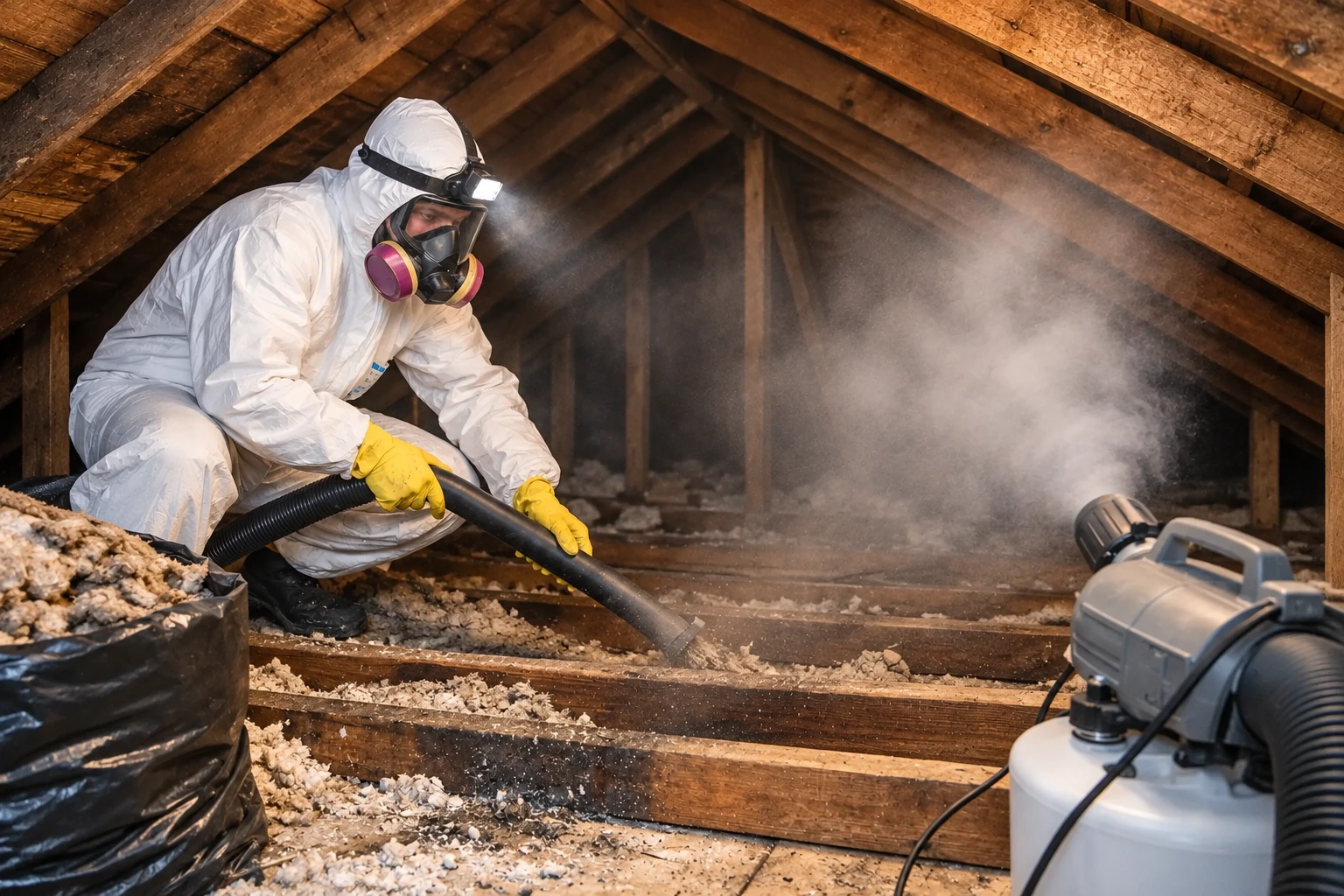
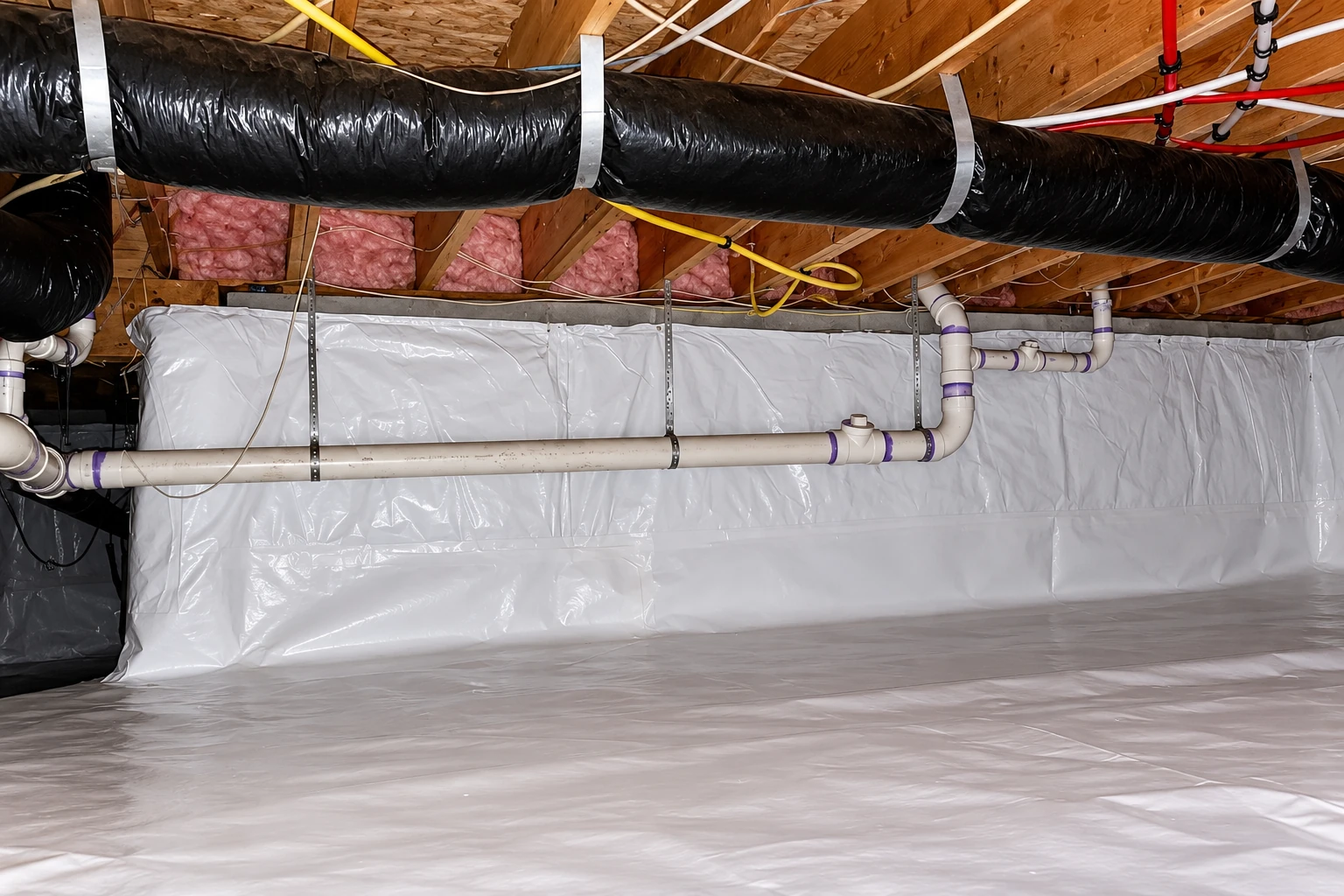
Home insulation in Bel Air South means sealing the air leaks in your house and then adding insulation where it's thin, usually the attic, the floors over a crawl space and the rim joists, the wooden band sitting on top of the foundation, so the air you pay to heat and cool stays inside.
Most folks call us at Bel Air South Spray Foam Insulation because a bedroom runs hot upstairs, the floors are cold over the crawl space, or the power bill seems too high, and they can't tell which part of the house is to blame. We're based in Bel Air South, and since 2017 I've been walking houses across Harford County and into nearby Baltimore County to find out where the air, and the money, is sneaking out.
The price comes down to how many areas need work, how hard they are to reach, how many inches are already up there and whether anything old has to come out first, and the material you pick moves it too. The schedule mostly turns on what I find on the visit, like wet insulation or old wiring, and on the permit check with the county, and your written estimate spells out what I'd do first and why.
- Air sealing around can lights, pipes and the attic hatch comes before any new insulation goes down.
- Old insulation that's soaked or full of droppings comes out before anything new goes in.
- Eave vents stay clear and coverage stays even out to the edges, not piled in the middle.
What happens after you call about home insulation in Bel Air South?
Here's how a job runs with us, from the first call to the walk-through at the end. I'm there at the start and the finish, and our installers do the work in between.
Call or send a note
Call (410) 836-5406 or fill out the form, and we'll get back to you to set up a time for me to come out. Tell us which rooms bother you and roughly how old the house is, because that tells me a lot before I even pull into the driveway.
I walk the house with you
I come out myself, look at the attic, walls, basement and crawl space, check how many inches are already up there and ask a lot of questions. Then you get a written estimate that lists what I'd do first and why, and I'll tell you plainly if a piece of it isn't worth the money.
Our installers do the work
The crew works in the order we agreed on, clearing out anything that has to go, sealing the gaps and then insulating. If something turns up that needs an electrician, plumber or heating tech, we bring in a licensed trade for that part instead of working around it.
We go over the finished job
I check in while the work is going and walk the finished job with you before we leave. You'll see where everything went, and you'll probably know your house a little better than you did that morning.
What attics, crawl spaces and rim joists look like up close
These photos show the kinds of spaces insulation work happens in, from open attics to crawl spaces and basement rim joists. They show the trade in general, not our own jobs, so you know what to look for at home.
A worker in protective gear sprays foam insulation into exposed roof framing.
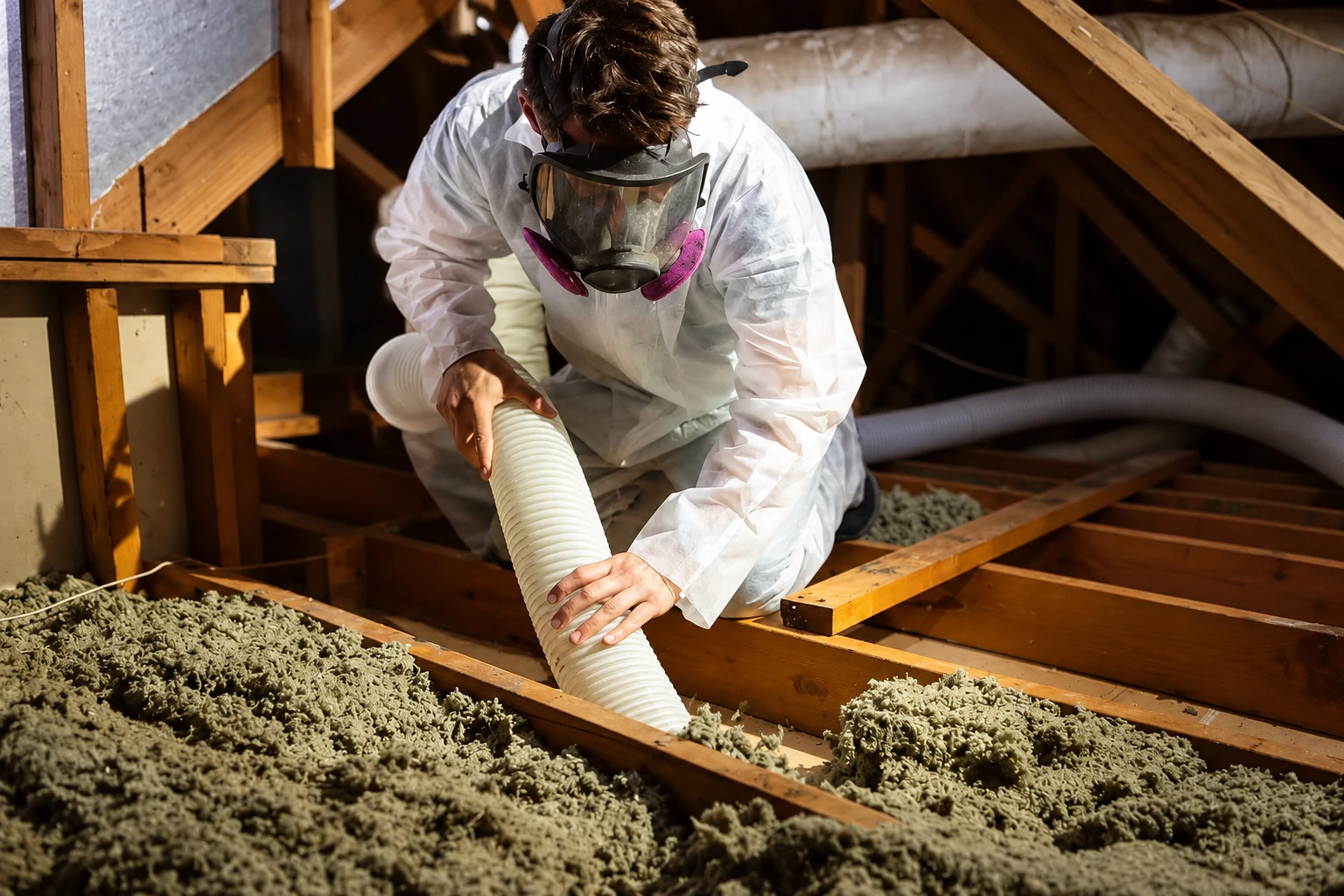
An attic with loose yellow insulation filling the floor between wooden joists.
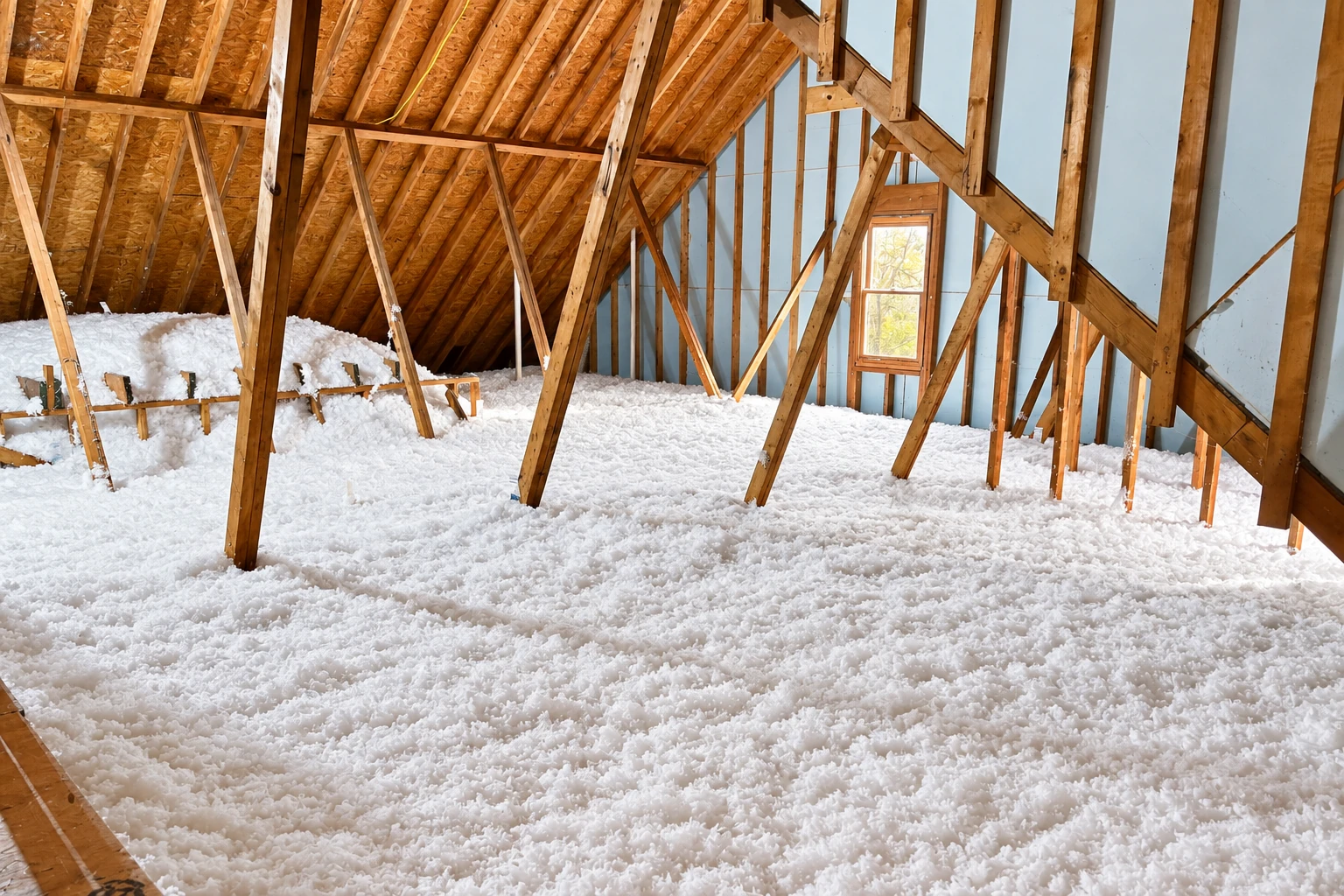
White blown-in insulation covers an attic floor beneath exposed wooden roof trusses.
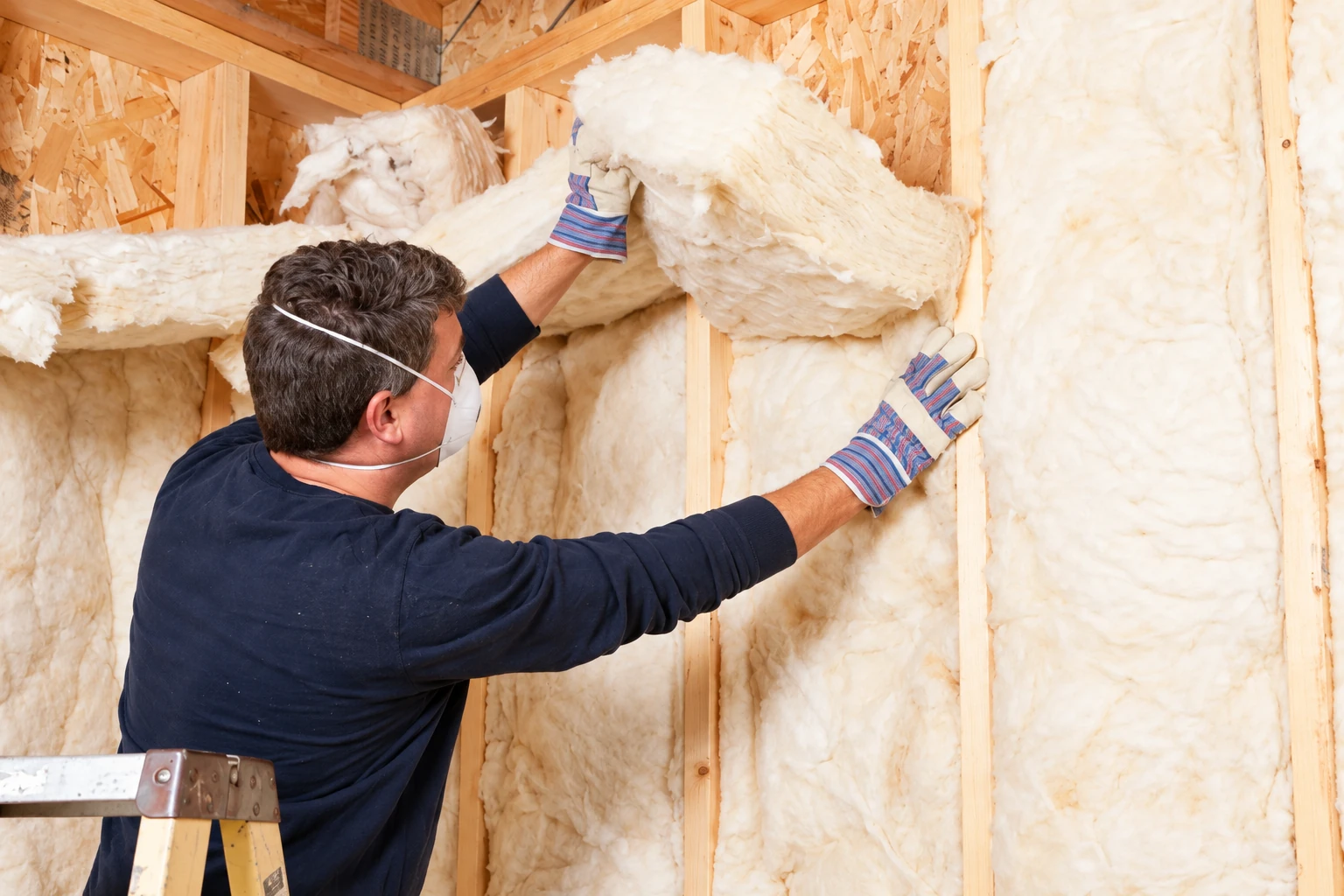
Pink fiberglass batts fill the framed walls of an unfinished basement beneath exposed ceiling joists.
Close view of foam sealing the spaces between exposed wooden ceiling joists.
Gray mineral wool insulation fills wooden wall framing above a concrete basement foundation.
Get a whole-house insulation plan for your Bel Air South home
Send the form or call (410) 836-5406, and we'll get back to you within one business day to set up a free on-site visit. I'll look things over and hand you a written estimate, with no obligation to go ahead.
(410) 836-5406Questions homeowners ask about insulating a house in Bel Air South
These are the questions I hear most when I'm standing in someone's attic around Bel Air South. If yours isn't here, ask me on the visit, and I'm happy to explain how your house works.
How much does attic insulation cost near Bel Air South?
Installing attic insulation in Baltimore usually costs about $1,800 to $2,600 per job, and that's the going rate in the area, not a quote from us. Where your job lands depends on the size of the attic, how much is already up there and whether old material has to come out first, and the written estimate after my visit gives you your own number.
Do I need to seal air leaks before adding insulation?
Yes, air leaks should be found and sealed before any insulation goes in. Leaks left open keep pulling outside air into the house, and that air can carry moisture, dust and pollutants with it. The savings people talk about come from sealing and insulating together, so we plan and price them as one job.
What is the best type of spray foam for my house?
Closed-cell foam is usually the better pick where dampness is a worry, like crawl spaces and rim joists, and open-cell is the better buy elsewhere because it costs less. Open-cell lets moisture vapor pass through and has a lower R-value, the measure of how well insulation slows heat, while closed-cell is denser and insulates more for a higher price. I'll show you on the visit which spots in your house call for which.
Who licenses home improvement contractors in Maryland?
The Maryland Home Improvement Commission licenses home improvement contractors, and the state counts altering, remodeling, repairing or replacing parts of a home as home improvement. Hiring licensed matters, because the state's Home Improvement Guaranty Fund can pay you for actual losses from poor workmanship or work that never got done, up to what you paid the contractor with a $30,000 limit, and it only covers licensed contractors. We're licensed and fully insured, and our promise is simple. Satisfaction guaranteed on every job.
How do I know if my attic is safe to insulate?
Before any insulation goes in, check for two things and tell me if you spot either one. Vermiculite, a pebbly gray-brown loose fill, may contain asbestos, and the standard advice is to have a professional test it before work goes any further. Knob-and-tube wiring, the old two-wire system on porcelain knobs found in many older homes, should stay uncovered, and a licensed electrician can inspect and upgrade it, so if we find it we bring one in for that part.
Is it worth insulating the walls in an older house?
Sometimes, but walls are usually the last place I'd spend your money, not the first. Insulating an open attic can be fairly simple, while insulating the walls of rooms you live in is a much bigger job that can call for special skills or equipment. So I usually point you to the attic and crawl space first, and I'll tell you honestly whether the walls are worth it after that.
Home insulation in Bel Air South and across Harford County
Harford County generally requires a permit to alter a structure, so I check with its Permit Center and we handle the permit if your job needs one. Older homes across Bel Air and Abingdon often have thin, settled attic insulation.