
Retrofit insulation in Bel Air South MD - an older house that stays comfortable
Hot upstairs rooms, cold floors or a climbing power bill? We add insulation to the house you live in, in the right order.
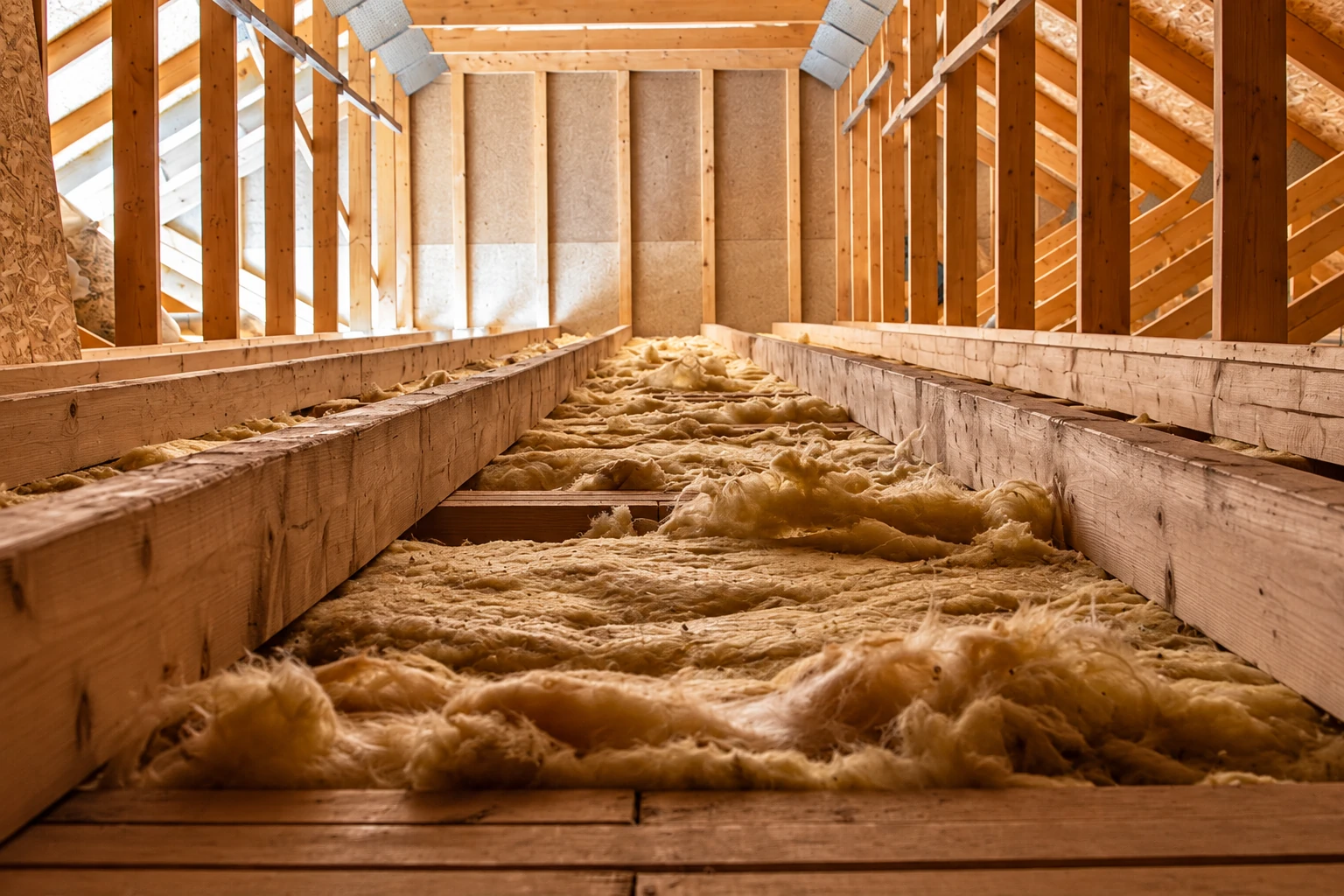
Is it worth adding insulation to an older house in Bel Air South?
Retrofit insulation adds insulation to a house that's already built and lived in, usually loose fill blown onto the attic floor or into the walls. For most older homes in Bel Air South it's worth doing, as long as leaks, old wiring and old fill get sorted out first.
Most calls start with an upstairs that's too hot, a room over the garage that never warms up, or a power bill that keeps creeping. In an older house the attic usually has a few inches of tired fill, the walls may have nothing in them at all, and air slips through gaps around lights, pipes and the hatch, so the first thing I do is figure out where your heat is actually going. Sometimes the answer starts with attic air sealing, which means closing those gaps before any insulation goes in.
The price moves with how much is already up there and whether it can stay, how old the house is, whether we find old wiring or old fill that has to be dealt with first, and whether we're doing the attic, the walls or both. The schedule turns on the same things, plus any repair, permit check or licensed electrician that has to come before we insulate. Your written estimate gives you the figure for your house and the order I'd do the work in.
- Most retrofit jobs are the attic, the walls or both, and we pick that with you.
- We plan air sealing with the insulation, because the attic is open and the gaps are right there.
- Wiring, plumbing or heating work that turns up goes to a licensed trade we bring in.
What happens after you call us about retrofit insulation in Bel Air South?
I keep this simple, and I come out myself, so you're talking to the same person from the first look to the final walk-through. Here's how it goes for an older house.
Call or send a note
Call (410) 836-5406 or use the form, and we'll set up a time for me to come see the house. Tell us roughly when it was built and whether you've spotted old wiring or odd-looking fill up there, because that shapes what I check.
I come out and look
I go through the attic, walls, basement or crawl space, see how many inches are already up there, and ask a lot of questions about how the house behaves. Then I walk you through what I'd do first and why.
You get a written estimate
The estimate puts the price and the order of the work on paper, so you can compare it or sleep on it. If a part of the job isn't worth the money for your house, I'll tell you before you've spent anything.
Installers do the work
Our installers follow the order we talked about, fixing and sealing first and insulating last, and I check in while they work. When they're done, I go over the finished job with you before we leave.
What retrofit insulation work looks like up close
These photos show the kind of work a retrofit job involves, from sealing gaps on an attic floor to filling wall cavities. They're examples of the trade, so your house will have its own quirks.
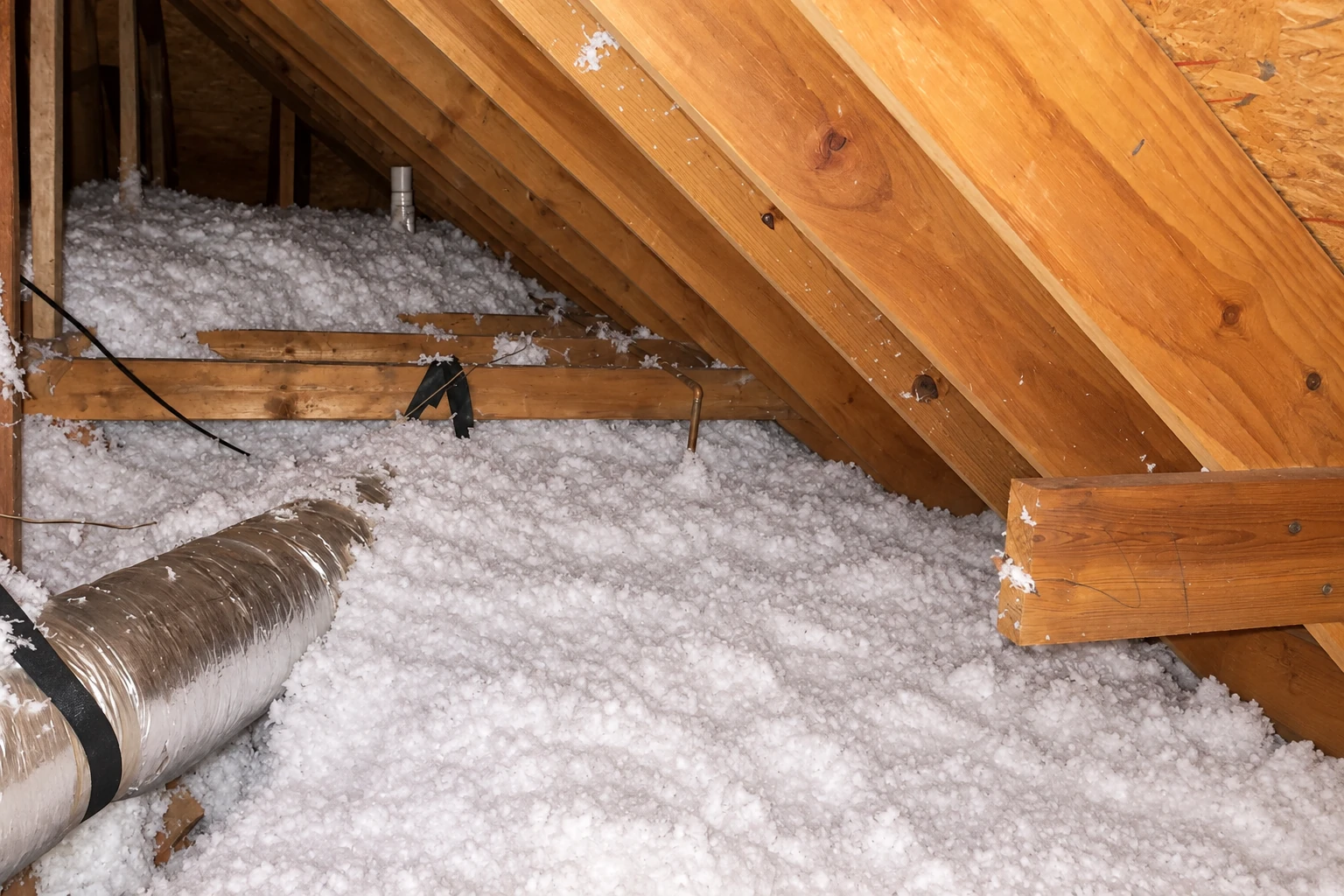
White blown-in insulation covers an attic floor beneath exposed wooden roof trusses.
A spacious attic has a deep layer of white loose-fill insulation across the floor.
A worker wearing a respirator uses a wide hose to remove loose insulation from attic floor joists.
Crawl space with a white plastic vapor barrier covering the floor and walls, with exposed joists, insulation, ducts, and pipes overhead.
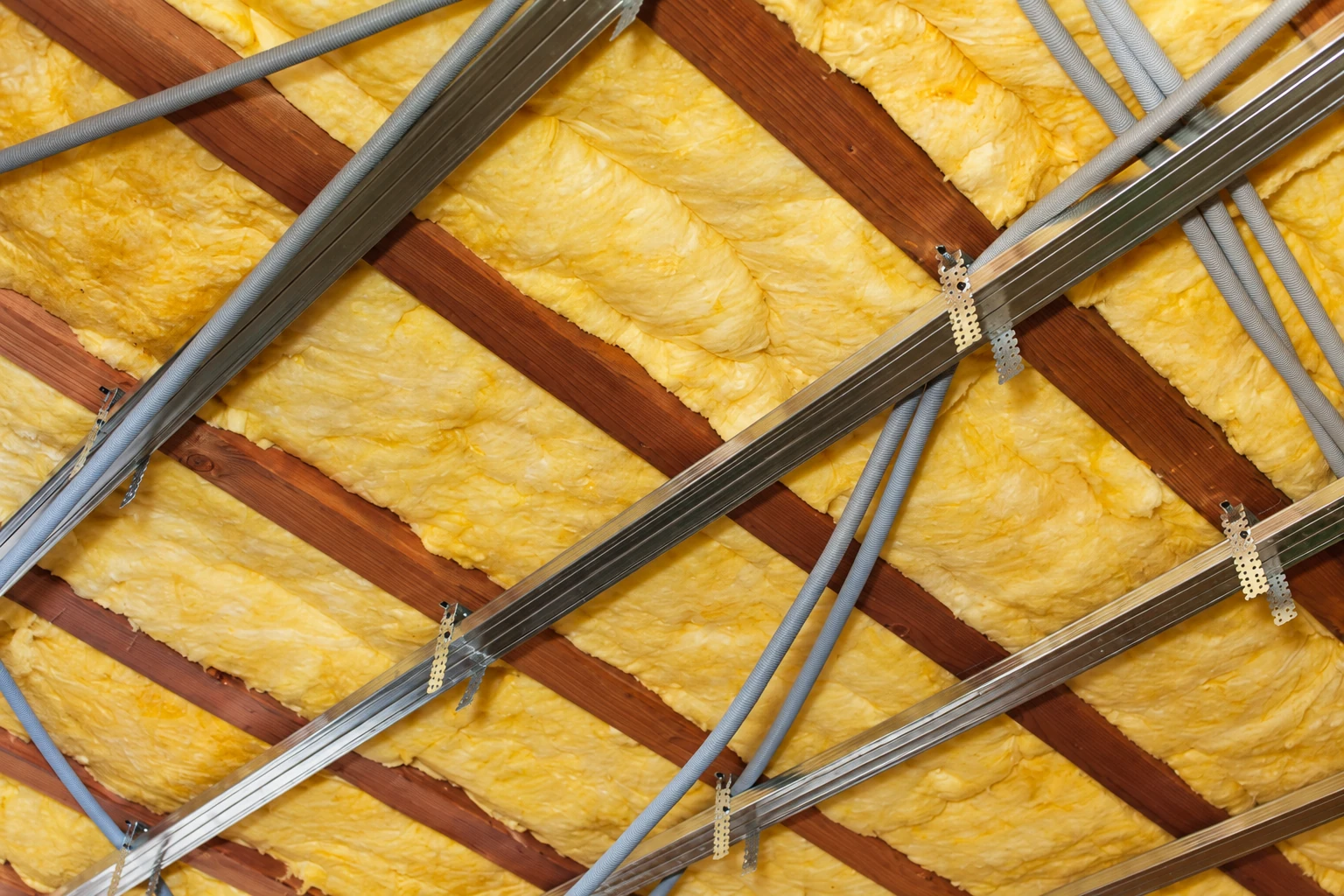
Pink fiberglass batts fill the framed walls of an unfinished basement beneath exposed ceiling joists.
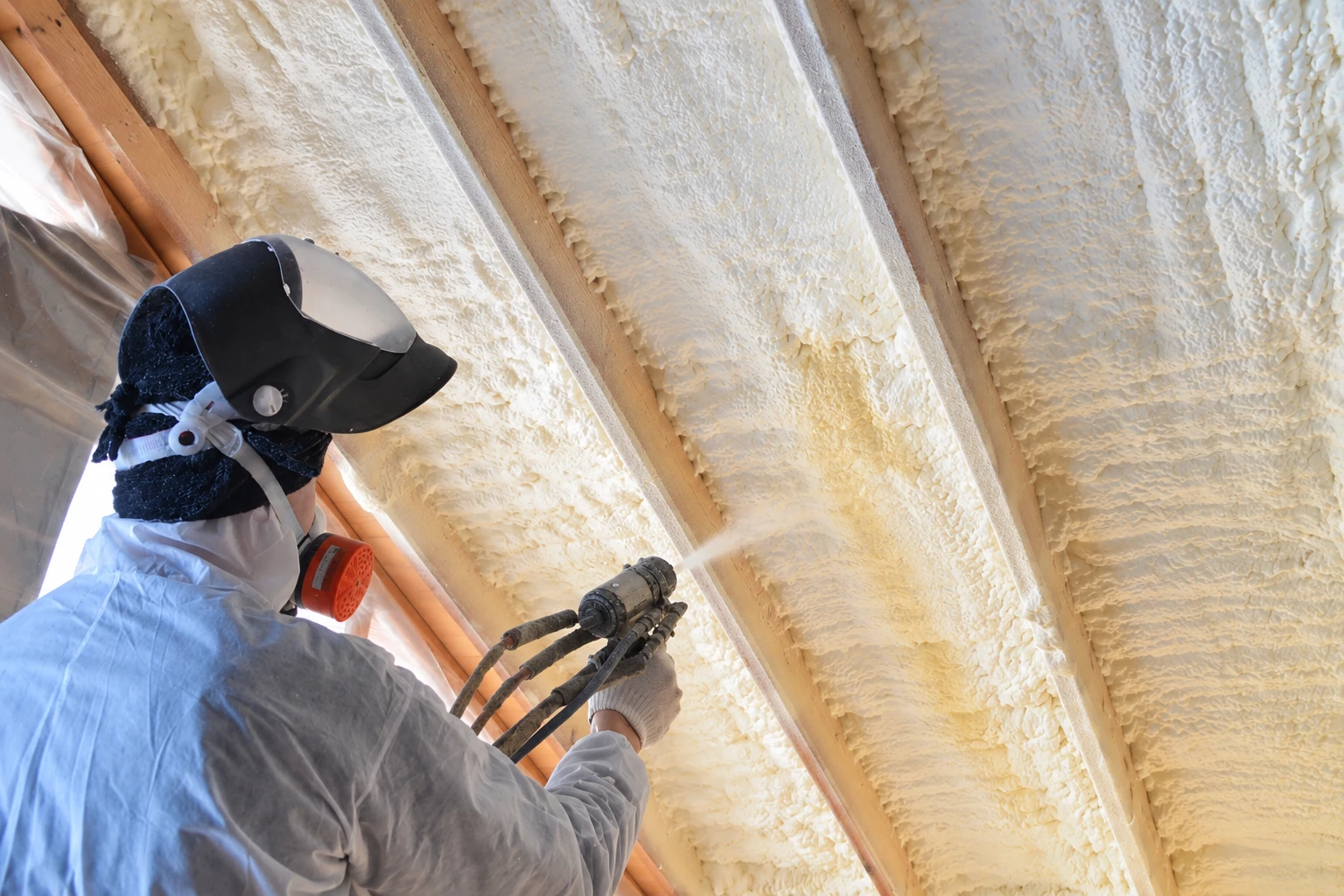
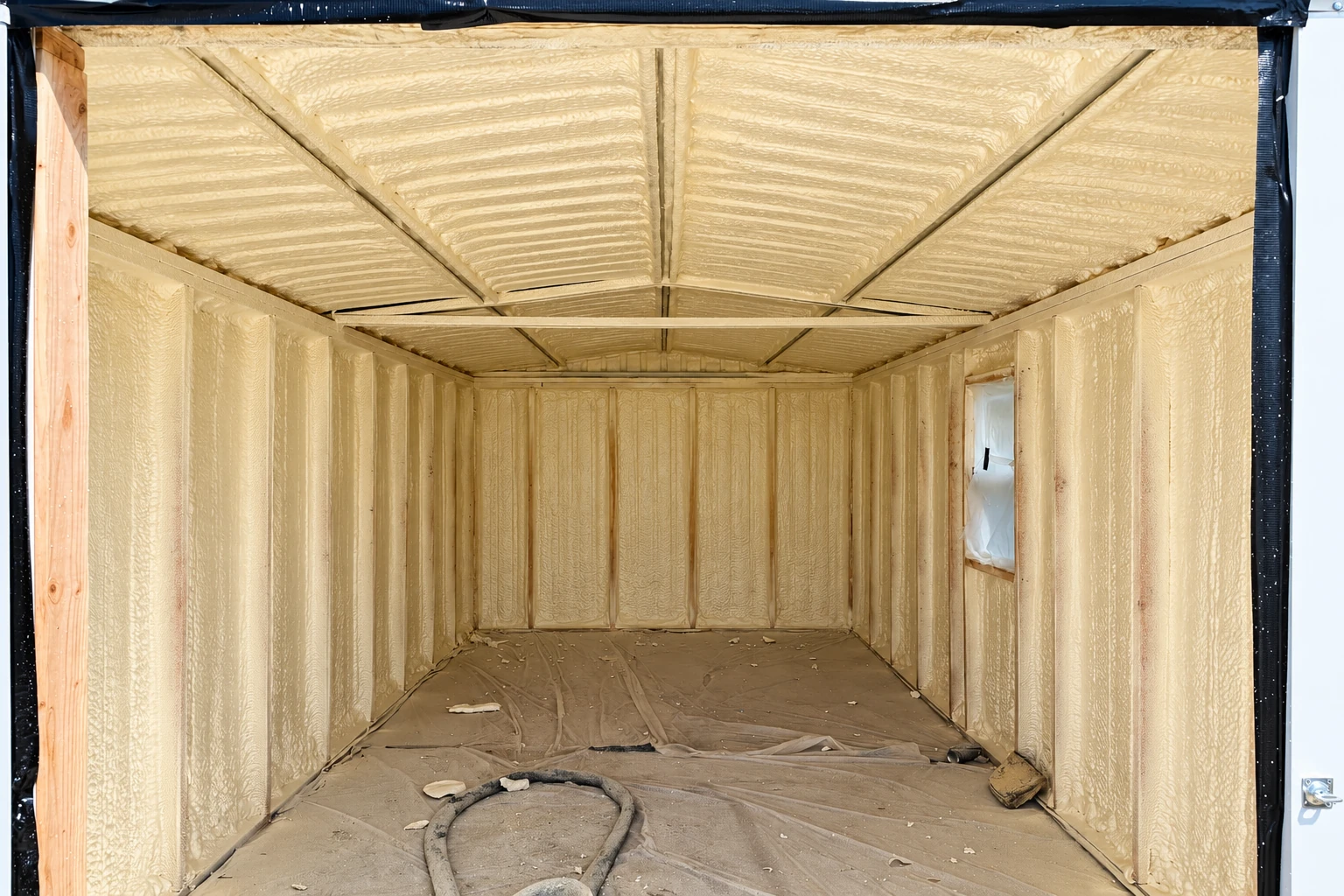
Close view of foam sealing the spaces between exposed wooden ceiling joists.
Get a free on-site estimate for insulating your older house
Send the form with your home's build year and anything odd you've seen up there, and we'll reply within one business day to set up a free visit, no obligation. I'll come out myself, and you get a written estimate.
(410) 836-5406Questions people ask about retrofit insulation
These are the questions I hear most from Bel Air South homeowners thinking about insulating an older house. If yours isn't here, ask me when I come out.
How much does attic insulation cost in the Baltimore area?
Installing attic insulation in the Baltimore area usually runs about $1,800 to $2,600 per job. That's what attic work typically goes for in the market, not a quote from us, and walls or a whole-house job get priced on their own once I've seen them. Whatever we do, it's satisfaction guaranteed on every job.
How do I get insulation into my walls without tearing them open?
The usual way is drill and fill, which blows insulation into each wall cavity through small holes near the top, from inside or outside. Drilling from outside breaks the layer behind the siding that keeps water out, so it has to be patched carefully, which is why re-siding is the ideal time for it. From inside that layer isn't touched, and the holes get plugged, patched with joint compound, sanded and painted. You can also ask whether the crew checks the filled walls with an infrared camera, a heat-sensing camera, before patching, since it shows any cavity that didn't fill.
How much can adding insulation save on my energy bill?
Federal energy figures say adding insulation to attics, floors and crawl spaces and sealing air leaks can save up to 15% on heating and cooling costs, on average. Up to is the key phrase, and if the numbers don't add up for your house, I'll tell you.
Who is allowed to do insulation work in Maryland?
Insulation is on the Maryland Home Improvement Commission's list of work that usually has to be done by a contractor the commission licenses. In houses built before 1978, anyone whose work disturbs lead-based paint also needs EPA certification and has to follow lead-safe practices, so it's fair to ask for proof. We're licensed and fully insured.
Do we have to leave the house while you add insulation?
Usually not for loose fill in the attic or walls, though it's dusty and noisy near wherever we're working. With spray foam, everyone stays out until the re-entry time, the point the foam maker says it's safe to come back with kids and pets, and I'll give you that before the day comes.
What causes hot upstairs rooms in an older house?
Usually it's thin attic insulation plus air leaking through gaps around ceiling lights, pipes and the attic hatch. Buried eave vents make it worse, because the attic can't breathe, so heat and moisture sit up there and new insulation ends up fighting them.
Retrofit insulation in Bel Air South and nearby cities
Harford County's Permit Center issues building permits here, and its list doesn't name insulation, so I check first and handle any permit that's needed. We work across Harford County and into Baltimore County, often in older houses with tired attic fill.