
Bel Air South Spray Foam InsulationBel Air South Spray Foam Insulation(410) 836-5406

Insulation contractor in Fallston, MD - attics sealed first, then insulated

Bel Air South Spray Foam Insulation is an insulation contractor working in Fallston, MD. We seal and insulate attics, walls, crawl spaces and basements in lived-in homes, so upstairs rooms stop running hot and cold.

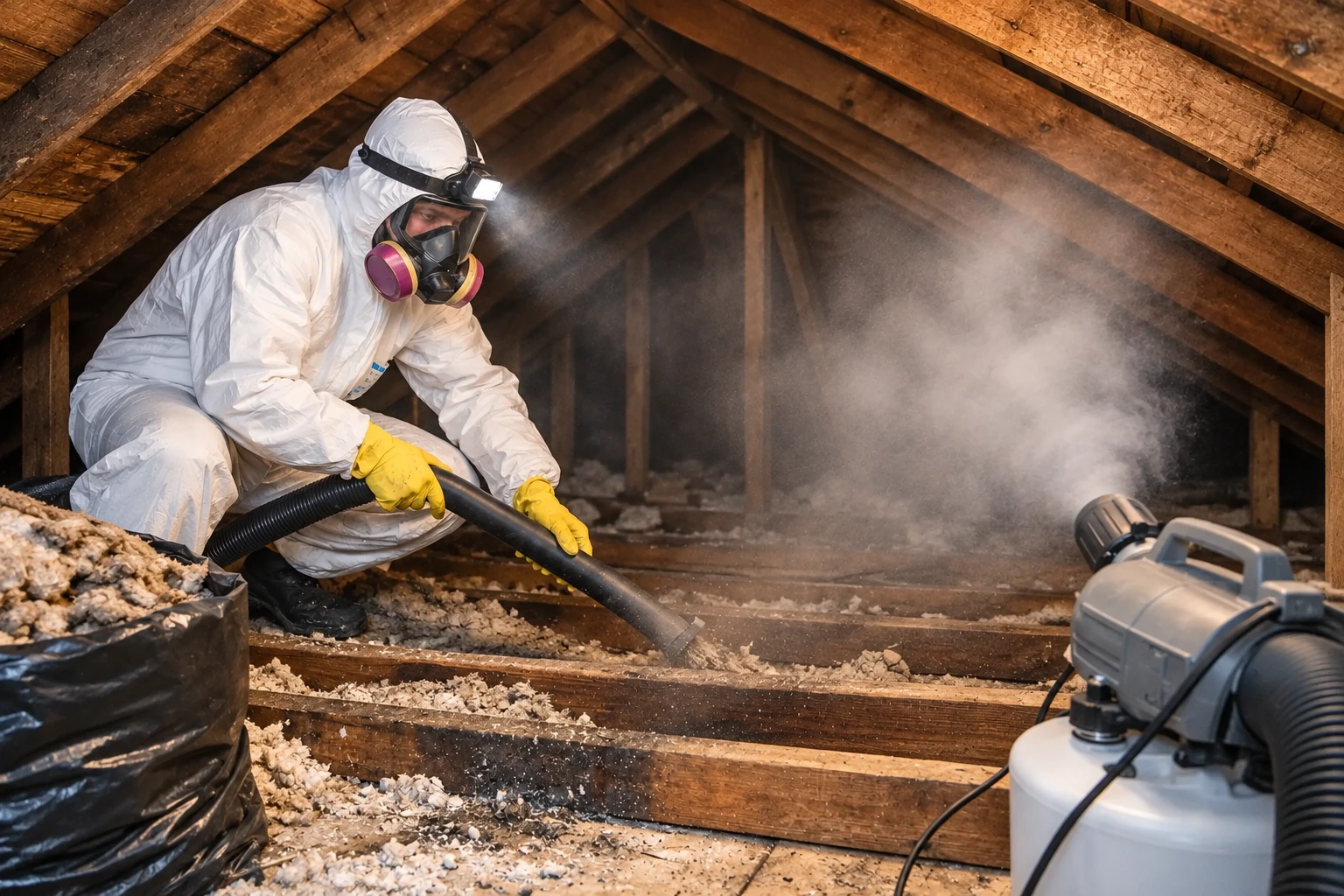
A worker in protective gear vacuums loose attic insulation from between exposed wooden rafters.

Fallston houses, and what they ask of an insulation job

Fallston is a Harford County community of houses that owners live in and keep, and that shapes the calls we get there. People want the upstairs to stop running hot in summer, the room over the garage to stop feeling like the garage, or a straight answer before a bigger project. Winters Run separates it from Bel Air North, and the Little Gunpowder Falls on the south side is the Baltimore County line.

In lived-in houses like these, the attic usually has a history, with a layer from one owner, another from the next and sometimes an old roof leak underneath. That's why we look before we quote, and why each job gets planned around what's already there.

Insulation services we offer Fallston homeowners

Here's what we do in Fallston, from the attic down to the crawl space. Every job gets planned around what's already in the house, so this list shows where the work can go, not a menu we push. Most calls start with attic sealing and insulation, and the rest follows from what we find, whether that's old material to pull out, a damp crawl space or a basement that leaks air along the top of its walls.

  • Spray foam insulation

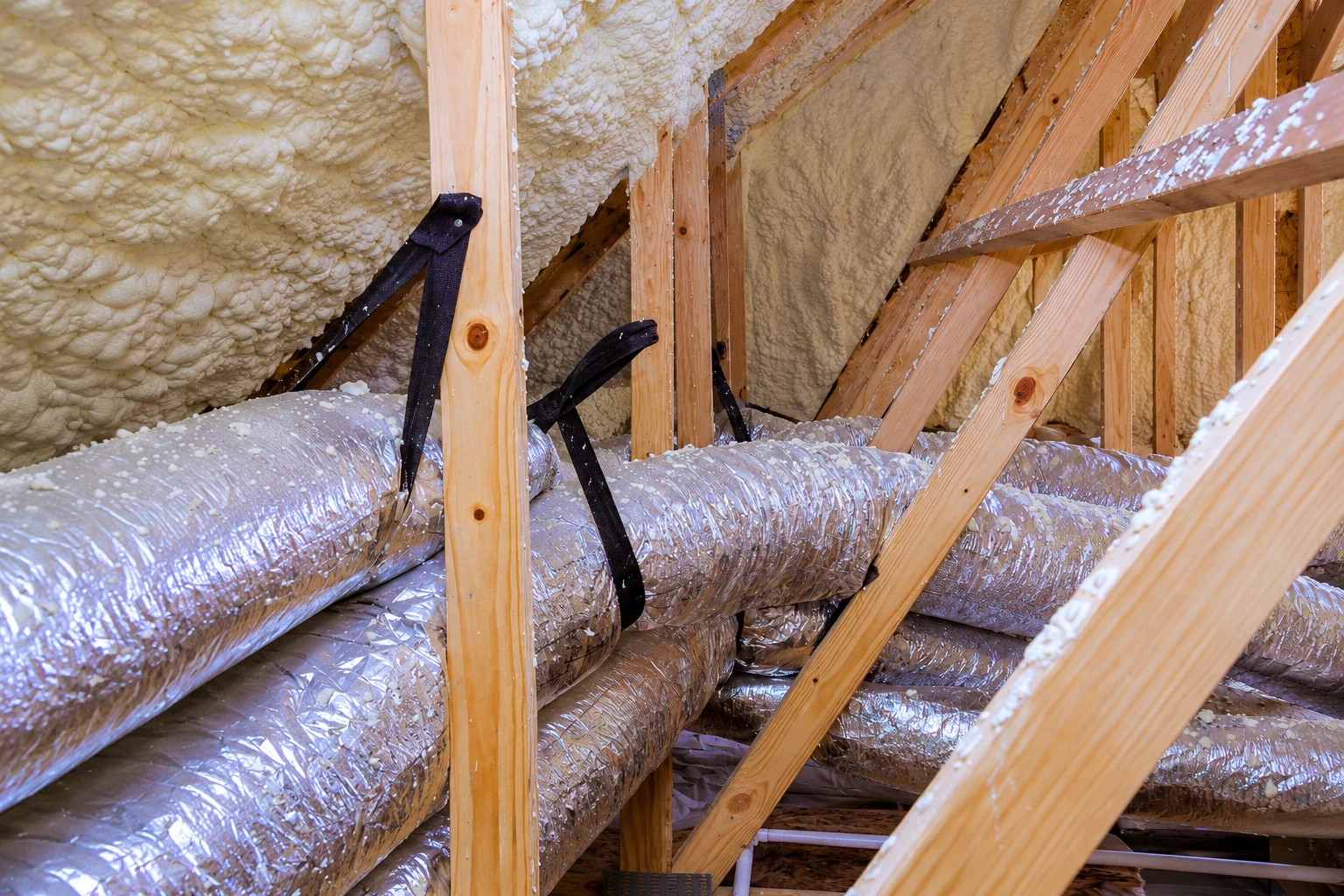
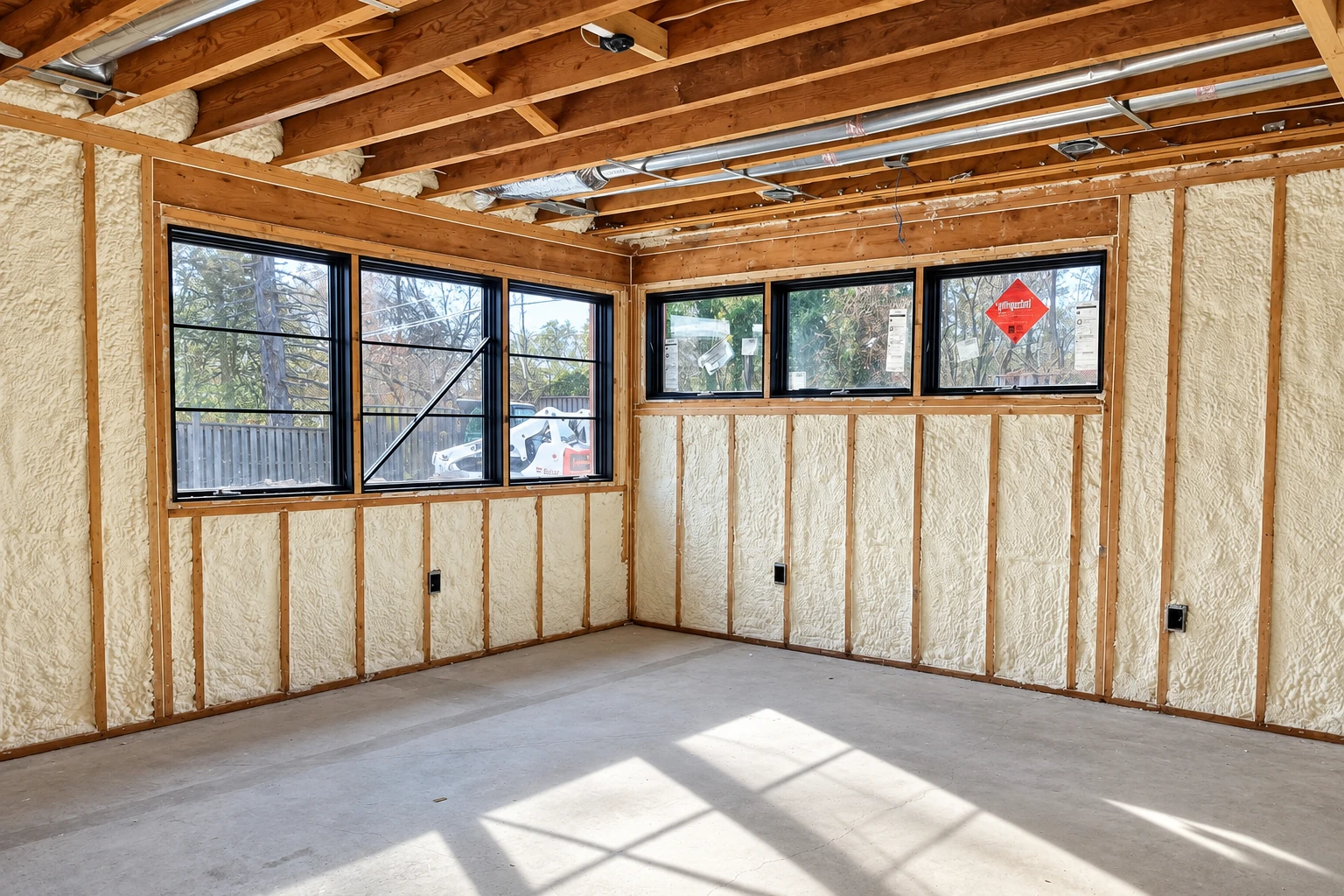
    Spray foam fits rooflines and rooms over the garage, where loose fill can't stay put or stop air. It insulates and seals in one pass, and I'll tell you where it's worth the extra cost.

    Explore service
  • Attic insulation

    Most hot-upstairs calls in Fallston start in the attic, with coverage piled in the middle and thin over the outside walls. Once the gaps are sealed, we bring the whole floor up evenly, edges included.

    Explore service
  • Blown-in insulation

    Blown-in, loose fill blown through a hose, is how we usually top up an attic whose old layer is still dry and clean. We keep it clear of the eave vents and even at the edges, so the attic still breathes.

    Explore service
  • Home insulation

    Some Fallston homeowners call before a bigger project and want the whole house looked at once. I walk the attic, walls, crawl space and basement and tell you which part to do first.

    Explore service
  • Insulation removal

    When old insulation has been soaked by a roof leak or is full of droppings, new material on top just buries the problem. We take it out and clean up, then start fresh.

    Explore service
  • Crawl space insulation

    Cold floors over a crawl space usually trace back to bare framing or batts that have sagged off the floor above. We check for moisture down there first, then insulate so the material stays where it belongs.

    Explore service
  • Wall insulation

    Exterior walls in some lived-in houses have little or nothing inside, and you feel it as a drafty room. We fill them through small holes that get patched, and I'll tell you first whether your walls are worth it.

    Explore service
  • Air sealing services

    Air sealing, closing the gaps before insulating, matters through the whole house because drafts find any opening. We seal around pipes, wires and chimneys from the basement up so the insulation can do its job.

    Explore service
  • Basement insulation

    Basements often feel chilly along the band where the floor framing sits on the foundation, because that's where outside air slips in. We seal and insulate that band so the rooms upstairs stop losing heat through the floor.

    Explore service
  • Closed-cell foam insulation

    Closed-cell foam, a dense foam that blocks moisture, suits damp spots like crawl space walls and the top edge of a basement wall. It costs more than other options, so we use it where the moisture calls for it.

    Explore service
  • Open-cell foam insulation

    Open-cell foam is lighter and softer, and it suits rooflines and interior walls where you want an air seal and quieter rooms without the price of closed-cell. It isn't the pick for damp spots, and I'll say so.

    Explore service
  • Commercial insulation

    Fallston is mostly homes, but we also insulate small offices, shops and workshops around Harford County. We plan the work so the business can keep running while we're there.

    Explore service
  • Crawl space vapor barrier

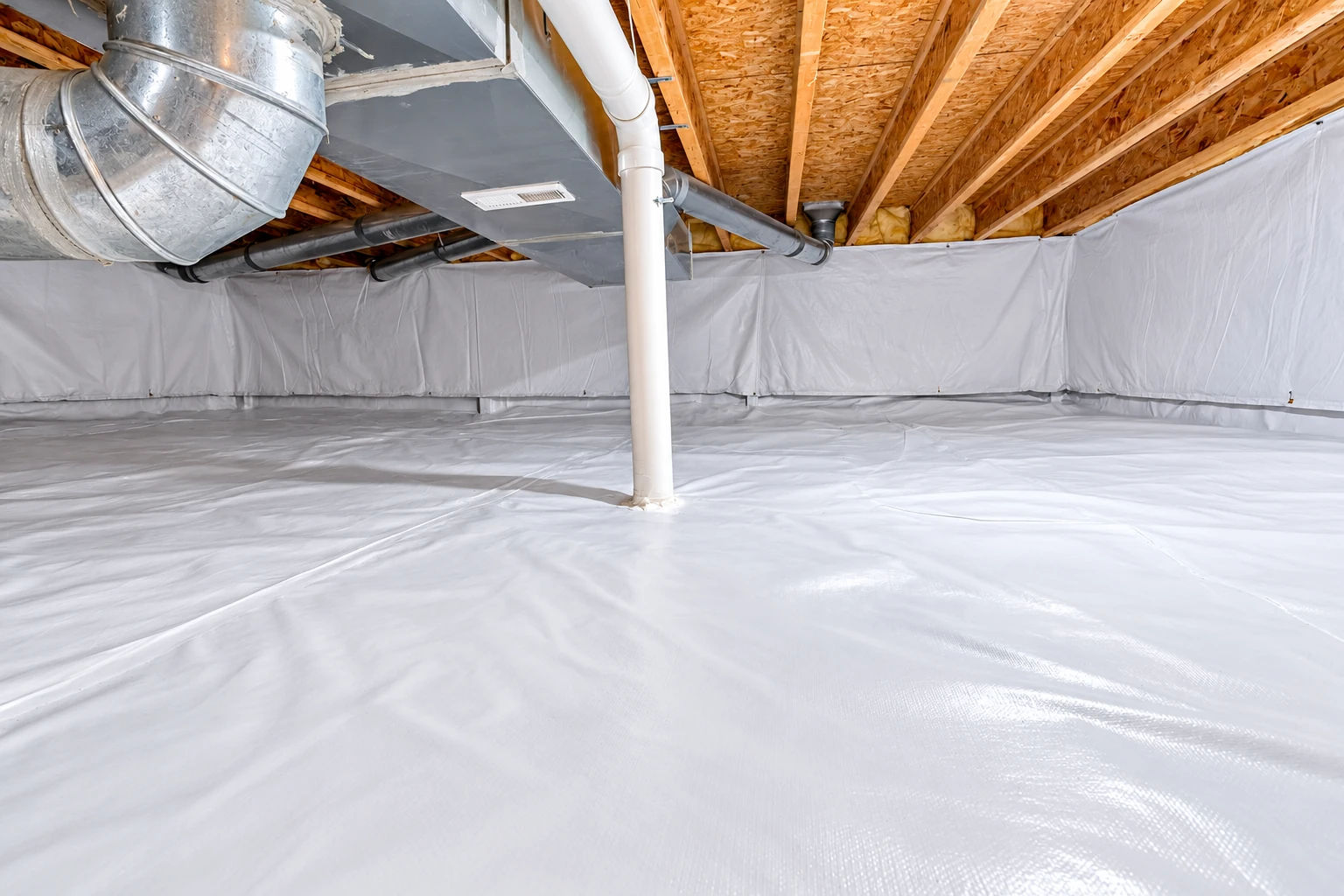
    A bare dirt floor in a crawl space sends moisture up into the framing and the rooms above. We lay a vapor barrier across it and seal the seams before any insulation goes in.

    Explore service
  • Vapor barrier installation

    Basements, crawl spaces and some walls need a vapor barrier in the right spot, or moisture gets trapped where it does damage. I look at where the damp is coming from before deciding where it goes.

    Explore service
  • Attic air sealing

    Attic air sealing is what we're best known for, because a drafty ceiling undoes whatever insulation sits on it. We seal first, then cover, and I show you what we found before it disappears under new material.

    Explore service
  • Retrofit insulation

    Retrofit insulation means improving what's already in a house you live in, not starting from bare framing. That's the work I left new construction to do, and it starts with a careful look at what's there.

    Explore service

Working in Fallston: permits, licenses and what sets your price

Fallston sits under Harford County for permits, and Maryland licenses the contractors who sign with homeowners. Here's how that plays out on an insulation job, and what moves your price and schedule.

Permits come from Harford County, not Fallston

Fallston doesn't run its own permit office, so the call goes to Harford County's Department of Inspections, Licenses and Permits. The county generally requires a permit to alter a structure or to install or change equipment its code covers, and when a permit applies, the county reviews and inspects the work. That review and inspection set part of the schedule, not just our crew's calendar.

Before work starts, I check with the office that covers your address, the same county office that handles our jobs in Edgewood and Bel Air North. On your side, ask any contractor for their license from the Maryland Home Improvement Commission, because only a contractor the commission licenses may contract with you for home improvement work on the house you live in.

  • If the county says a permit is needed, we take care of it.
  • Near the Baltimore County line, I confirm which county covers your address.
  • Get your contract in writing, signed by a licensed home improvement contractor.

What moves the price and the schedule

Price turns on what's already in your attic, how many inches are up there and whether any of it is wet or full of droppings and has to come out. Then it's how many gaps need sealing, how easy the attic is to reach and the material. Foam costs more and seals air while it insulates, but sealing the gaps and topping up loose fill usually wins.

The schedule turns on a few things too: whether the county needs a permit, whether old material comes out first, and which product we use. Spray foam has a re-entry time, when you and the kids and pets can come back inside, and I tell you what it is before we book the day. The on-site estimate gives you your price and that plan.

  • Wet or dirty old insulation comes out before any new goes in.
  • Ductwork running through the attic usually tips the choice toward spray foam.
  • Removal, sealing and material choice each change the price and the timing.

Get a free on-site insulation estimate for your Fallston home

We reply within one business day to set up a time. I come out to your Fallston house, look at the attic, crawl space or basement with you and talk through what's worth doing. The estimate is free, and there's no obligation.

(410) 836-5406

What we find in Fallston attics, crawl spaces and garages

Fallston houses have been lived in and topped up over the years. Here's what that usually leaves behind for us to sort out before new insulation does any good.

  • Layers from past owners

    Lots of attics here hold insulation from more than one round, laid at different times by different people. Before we add anything, we check what's under the top layer, because fresh material over a soaked or droppings-filled layer just hides the problem, and that's one shortcut I won't take.

  • Thin edges and buried vents

    Coverage is often deep in the middle of the attic and thin out at the eaves, which is backward, because the edges sit right over the outside walls. Earlier top-ups also bury the eave vents, so the attic can't breathe and moisture starts showing up in the framing.

  • Rooms over the garage

    A bedroom or bonus room over the garage is one of the complaints we hear most. The floor between that room and the garage is often thin on insulation and leaky at its edges, so the room follows the garage's temperature instead of the rest of the house.

  • Gaps around lights and the hatch

    Recessed lights, plumbing pipes and the attic hatch all leave openings in the ceiling, and heated or cooled air slips up through them all year. Insulation laid over those openings ends up fighting a draft, so sealing them is the first thing we do once we're up there.

  • Cold floors over crawl spaces

    Where part of a house sits over a crawl space, the rooms above are usually the ones with cold floors. A bare dirt floor or sagging batts down there let damp and cold air into the framing, so we sort out the moisture before we insulate anything.

How we handle an insulation job from start to finish

These are the habits behind every job we do in Fallston. They come from years in lived-in houses, where the attic, walls and crawl space each have their own story.

Leaks and safety first, then the insulation

I spent my first years insulating new houses for builders, and we've been working in lived-in homes since 2017. The biggest lesson is order. Anything wet, dirty or unsafe gets dealt with first, the air leaks get sealed next, and only then does insulation go on top, because once it's covered, getting back to what's underneath is a lot harder.

Here's why that matters. Insulation slows heat, but it doesn't stop air, so a gap left open under fresh material keeps leaking the way it did before. I'd rather spend the time sealing and tell you the top-up can be smaller than sell you a deep layer over a drafty ceiling. And I'll show you what we found, so you know your house a little better.

  • Our installers, my walk-through

    Our installers do the work, and I check in on it while they're there. When they're done, I go over the finished job with you, so you hear what was sealed, what came out and what went in from the person who planned it.

  • Told when it isn't worth it

    If your attic already has decent coverage and few gaps, I'll tell you a big job won't change much, and you keep your money. Same goes for wall work on a house where the gain would be small. You get a straight answer either way.

  • Licensed and fully insured

    We're licensed and fully insured. When a job turns up wiring, plumbing or heating work, we bring in a licensed trade for that part rather than doing it ourselves, so it gets the right permit and the right hands.

  • Satisfaction guaranteed on every job

    That's our promise in Fallston and everywhere else we work, and the final walk-through is where you tell me how it went. When you're ready to talk about your house, call (410) 836-5406 or use the form above.

Common insulation questions from homeowners in Fallston

These are the questions that come up when Fallston homeowners plan insulation work, from price to permits to who's allowed to do what. If yours isn't here, call and ask.

How much does it cost to insulate an attic in Fallston, MD?

Your price comes from a look at your attic, because what's already up there decides most of it. The biggest swing is whether old insulation has to come out, since wet or droppings-filled material can't stay under new. After that it's how much sealing the attic needs, and if a small top-up will do, that's what I'll quote.

How do I find out if my insulation job needs a permit in Fallston?

Ask Harford County, or let me, because I check with the county for every job before we start. The county generally requires a permit to alter a structure or install equipment its code regulates, and that list doesn't name insulation, so it's worth asking rather than guessing. You can call the county's Permit Center at 410-638-3122, and if a permit is needed, we take care of it.

How do I get a permit to do my own electrical or HVAC work in Harford County?

You apply to the county for a one-time homeowner's permit and pass a homeowner's test before you do electrical, heating or cooling work in your own home. Otherwise, a master electrician licensed in Harford County applies for the electrical permit, and a master HVACR contractor registered there applies for the mechanical one. On insulation jobs, this comes up when a ceiling light, bath fan or duct needs work before we can seal around it.

Do home improvement contractors in Maryland have to carry insurance?

Yes, Maryland law requires every home improvement contractor to carry general liability insurance of at least $500,000. Subcontractors working for a licensed contractor can work without their own license, so the license and insurance that count are those of the company you sign with. We're licensed and fully insured, and you're welcome to ask about both when I'm out.

Service areas

We're based in Bel Air South and work across Harford County and into nearby Baltimore County, including Bel Air, Abingdon, Edgewood and the other cities below. If your city isn't listed, call or send the form and ask.

Ask about your location
(410) 836-5406Get an estimate