
Bel Air South Spray Foam InsulationBel Air South Spray Foam Insulation(410) 836-5406

Insulation Contractor in Bel Air North, MD - Even Comfort Upstairs and Down

Bel Air South Spray Foam Insulation is an insulation contractor working in Bel Air North, MD. We seal air leaks and insulate attics, walls, basements and crawl spaces for houses that run hot upstairs or cold downstairs.

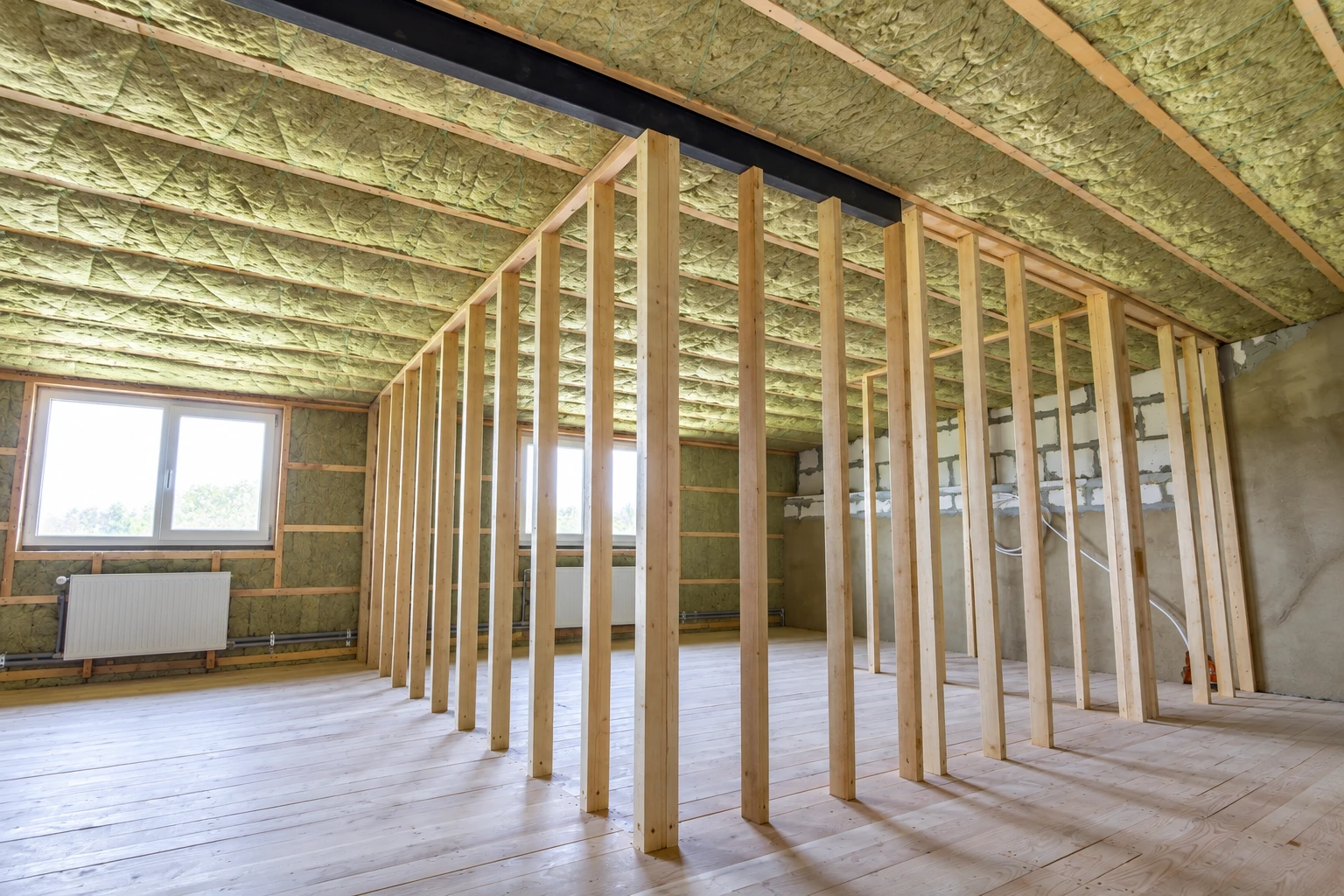
Unfinished room with green insulation between ceiling joists and wall studs, with exposed framing and a white-framed window.

Bel Air North homes as we see them on jobs

Bel Air North sits on the north side of Bel Air in Harford County, and it's mostly neighborhoods of single-family houses that the owners live in and plan to stay in. The calls we get from here sound a lot like the ones from Fallston or down in White Marsh: a bedroom over the garage that never feels right, an upstairs that's stuffy by afternoon, a power bill that keeps creeping up.

Lived-in houses shape how we work. The attic hatch is often in a closet and there's a family's things in the way, so we plan access and cleanup as carefully as the insulation itself.

Insulation services we offer in Bel Air North

Every job here starts with me walking the house, looking in the attic and crawl space, and listening to where it feels wrong to you. Then we plan the work in order. Anything soaked or dirty comes out first, the air leaks get sealed next, and only then does new insulation go in, spread evenly right out to the edges. Below is everything we do, with a note on where each service fits the houses we see in Bel Air North.

  • Spray foam insulation

    Rooms over the garage and bonus rooms tucked under the roof are where we reach for spray foam most, because the space is tight and air slips through every joint. Foam seals and insulates in one pass, and I'll tell you at the estimate whether the extra cost earns its keep in your house.

    Explore service
  • Attic insulation

    Most hot-upstairs calls from Bel Air North start in an attic with a few inches of settled fill and gaps nobody ever sealed. We seal first, then bring the depth up evenly, edges included, so the eaves don't stay thin.

    Explore service
  • Blown-in insulation

    Blown-in, which is loose fill sent up through a hose, is our usual way to top up an open attic floor here, since it settles around joists and wiring without tearing anything out. We keep it back from the eave vents so the attic still breathes.

    Explore service
  • Home insulation

    When the whole house feels uneven, with a cold floor in one room and a hot bedroom in another, I look at the attic, walls and crawl space together before quoting anything. That way your money goes to the spot that's actually costing you, not just the easiest one to reach.

    Explore service
  • Insulation removal

    Old insulation that got soaked from a roof leak or filled with droppings has to come out first, because fresh material laid over it just buries the problem. We bag it, haul it away and clean up so the attic is ready for sealing.

    Explore service
  • Crawl space insulation

    Cold floors over a crawl space are a common complaint in additions and some older sections of houses here. We check the moisture and how the space is vented before choosing what goes up between the floor joists.

    Explore service
  • Wall insulation

    Outside walls in lived-in houses sometimes have little or nothing inside them, and you feel it when you sit near one. We can fill closed walls through small holes and patch them, so you don't lose a room to demolition.

    Explore service
  • Air sealing services

    The drafty spots people point to usually trace back to gaps around pipes, wires, can lights and the attic hatch. Air sealing, which is closing those gaps before insulating, is the step that gets skipped most often and the one I care about most.

    Explore service
  • Basement insulation

    A basement headed toward becoming a family room or office needs its walls and rim joists handled before the drywall goes up. We plan the insulation around whoever is finishing the space, so nothing gets covered before it's ready.

    Explore service
  • Closed-cell foam insulation

    Closed-cell foam is a dense foam that also blocks moisture, and it earns its price on basement rim joists and crawl space walls where damp air is the trouble. In a dry attic it's usually more than you need, and I'll say so.

    Explore service
  • Open-cell foam insulation

    Open-cell foam is softer and lighter, and it works well under the roof deck when ductwork or the furnace lives up in the attic. It seals around all the odd angles up there that loose fill can't reach.

    Explore service
  • Commercial insulation

    We also insulate small offices and commercial buildings around Bel Air North and the rest of Harford County. I walk the building first so the work fits around your hours and any other trades already on site.

    Explore service
  • Crawl space vapor barrier

    A bare dirt crawl space sends moisture up into the floor framing and the rooms above it. We lay and seal a vapor barrier over the ground so the space stays drier before we insulate anything.

    Explore service
  • Vapor barrier installation

    Where a wall or floor needs a vapor barrier depends on which side the moisture comes from, and one on the wrong side can trap water. We look at how the wall or floor is built first and only add one where it helps.

    Explore service
  • Attic air sealing

    This is what we're best known for, and it's why I want to see your attic before anything else. We seal the tops of the walls, can lights, chases and the hatch, then insulate, so the new material isn't fighting a draft.

    Explore service
  • Retrofit insulation

    Retrofit work means adding insulation to a house people already live in, which is exactly the kind of job I left new construction to do. We work around finished rooms, furniture and your routine, and clean up as we go.

    Explore service

Planning insulation work in Bel Air North

Two things decide how a job here gets planned: the county's rules and what's actually in your attic. Here's how each one works, and what you can check before anyone starts.

County permits and checking your contractor

Bel Air North has no town government of its own, so permits come from Harford County, through its Permit Center. The county generally wants a permit to build, alter, demolish or move a structure, and insulation isn't on its list of examples, so I check before we start. If a permit is needed, we take care of it, and that wait sets the start date.

Before you hire anyone, check that they hold a license from the Maryland Home Improvement Commission, which licenses contractors who alter, repair or replace any part of a house people live in. The commission says state law requires those contractors to carry at least $500,000 in general liability insurance. A contractor's Harford County business license comes through the county Clerk of Court.

  • Bel Air North permits come from Harford County, not a separate town office.
  • I check the permit question for your address before any work starts.
  • Ask any contractor for their state home improvement license and insurance.

What sets the price and the schedule

Price mostly comes down to what's already up there. I measure how many inches you have, check whether old material is soaked or full of droppings and has to come out, and count the gaps around lights, pipes and the hatch. Foam costs more than sealing and topping up loose fill, so unless your ductwork lives in the attic, I'll usually steer you to the cheaper route.

The schedule turns on three things: whether the county needs a permit, whether old insulation comes out first, and whether wiring or ductwork needs a licensed electrician or HVAC contractor before we cover it. That trade work needs its own permit and inspection, and it stays uncovered until it's approved. You get the figure and a likely start for your own house at the estimate.

  • Inches already in the attic and the condition of the old material.
  • How many gaps need sealing around can lights, pipes, chases and the hatch.
  • Whether ductwork in the attic makes foam worth its extra cost.

Get a free on-site insulation estimate in Bel Air North

We reply within one business day to set a time, then I come out to your Bel Air North house, look at the attic and anywhere else that's bothering you, and talk it through with you. The estimate is free and there's no obligation to book.

(410) 836-5406

What we find in Bel Air North houses

Houses here have their own habits, and most of them show up in the attic. Here's what we run into most often, and what each one means for your comfort and your bill.

  • Rooms over the garage

    A bedroom over the garage sits on a floor with unheated space underneath and short attic walls on its sides, so air leaks in from two directions. That's why it feels different from the rest of the house, and why we seal the floor edges and those side walls before adding insulation.

  • Deep in the middle, thin at the edges

    A lot of attics we open have a nice pile of insulation in the middle and almost nothing out by the eaves, which is backward. The edges sit right over your outside walls, so we bring the depth up evenly there instead of just adding more to the center.

  • Unsealed lights and attic hatches

    Can lights, plumbing pipes, wire holes and the attic hatch are where warm or cool air slips through the ceiling. Insulation slows heat but it doesn't stop moving air, so if those gaps stay open, the new material spends its life fighting a draft.

  • Eave vents buried under old fill

    When loose fill gets blown right over the vents at the eaves, the attic stops breathing and moisture can start showing up in the framing. We open those vents back up and keep new insulation clear of them so air can move the way it should.

  • Houses people plan to keep

    The median value of owner-occupied homes in Bel Air North is $446,500, and a lot of owners here call before a remodel or a basement finish. That's the right time, because sealing and insulating before new walls and ceilings go up is far easier than opening them later.

Why homeowners here call us for attic work

I started out insulating new houses for builders and moved to homes where families already live. That changed how we work, and these are the practices you'll see when we come out.

Sealing comes first, insulation comes second

A new house is open and empty, so the order barely matters. A lived-in house is different, because once fresh insulation goes down, every gap, leak and soggy patch under it is hidden. That's why we pull out anything soaked or fouled first, seal around lights, pipes, chases and the hatch next, and only then bring the depth up evenly to the edges.

Safety belongs in that order too. If I spot loose wiring, a bathroom fan blowing into the attic or a duct problem, it gets sorted before anything is covered. And I'd like you to come away knowing how your attic breathes and why we did each step, not just that it got fuller up there.

  • I come out and look first

    I'm the one who comes to your house, climbs into the attic and talks the job through with you. Our installers do the work, and I check in while they're at it and go over the finished job with you before we call it done.

  • Told straight when it's not worth it

    Sometimes a house needs a little sealing and a top-up, not foam everywhere, and sometimes the real problem is something insulation won't fix. I'd rather tell you that at the estimate than sell you a job that won't change how the house feels.

  • Licensed, insured, in business since 2017

    We're licensed and fully insured, and we've been in business since 2017. Ask to see our paperwork at the estimate, and ask the same of any contractor you're comparing us with, because it's the easiest way to sort out who's set up properly.

  • Satisfaction guaranteed on every job

    Satisfaction guaranteed on every job, and I walk the finished work with you so you can see it for yourself instead of taking my word. To set up your estimate, call (410) 836-5406 or use the form on this page.

Questions Bel Air North homeowners ask about insulation

These are the questions I hear most from homeowners around Bel Air North, from permits to who stays home on install day. If yours isn't here, ask me when I come out.

Do I need a permit to insulate my basement in Bel Air North, MD?

If the insulation is part of finishing the basement, plan on a permit, because Harford County names finished basements among its examples of work that generally needs one. Insulating an unfinished basement isn't on that list, so I check with the county for your address before we start, and if a permit is needed, we take care of it. You can also call the county's Permits Center at 410-638-3122 if you'd like to ask yourself.

How long does a Harford County building permit stay valid?

Construction has to begin within twelve months of the county approving the permit. Once work starts, the permit is declared invalid if the job shows no progress for six months, though the holder can ask for an extension. When we pull a permit for your job, we plan the start around those windows.

How much does attic insulation cost in Bel Air North?

Most of the cost comes from what's already up there, so two attics on the same street can price very differently. Pulling out soaked or dirty insulation, sealing a lot of gaps, or choosing foam over loose fill all push it up, while a clean attic that only needs sealing and a top-up is usually the least expensive job we do. I give you a figure once I've been up in your attic.

What causes upstairs rooms to stay hot in a Bel Air North house?

Usually it's air leaking through gaps in the attic floor and insulation that's thin at the edges, not just too little insulation overall. Attic air works its way down around can lights, pipes and the hatch, and if the eave vents are buried, the attic can't get rid of that heat. We seal those gaps first, open the vents back up, then even out the coverage.

What is the best way to insulate a room over the garage in Bel Air North?

Seal first, then insulate, because those rooms usually lose comfort through gaps where the floor meets the garage ceiling and along the knee walls, the short attic walls beside the room. Depending on how the framing is laid out, that can mean dense fill or spray foam, and I'll tell you which one your room actually needs after I've seen it.

Do we have to leave the house while you insulate the attic?

For sealing and blown-in work, most families stay home and just keep kids and pets out of the way. Spray foam is different, because everyone needs to be out until the re-entry time, the wait before it's okay to come back inside, and I'll go over that timing with you before we book.

Service areas

We're based in Bel Air South and work across Harford County and into nearby Baltimore County, including the cities below and plenty of others. If you don't see yours, call (410) 836-5406 or use the form to ask.

Ask about your location
(410) 836-5406Get an estimate