
Bel Air South Spray Foam InsulationBel Air South Spray Foam Insulation(410) 836-5406

Insulation contractor in Rosedale, MD - attics sealed first, then insulated

Bel Air South Spray Foam Insulation is an insulation contractor based in Bel Air South, MD, and we seal and insulate attics, walls, crawl spaces and basements in Rosedale so hot upstairs rooms and cold floors finally even out.

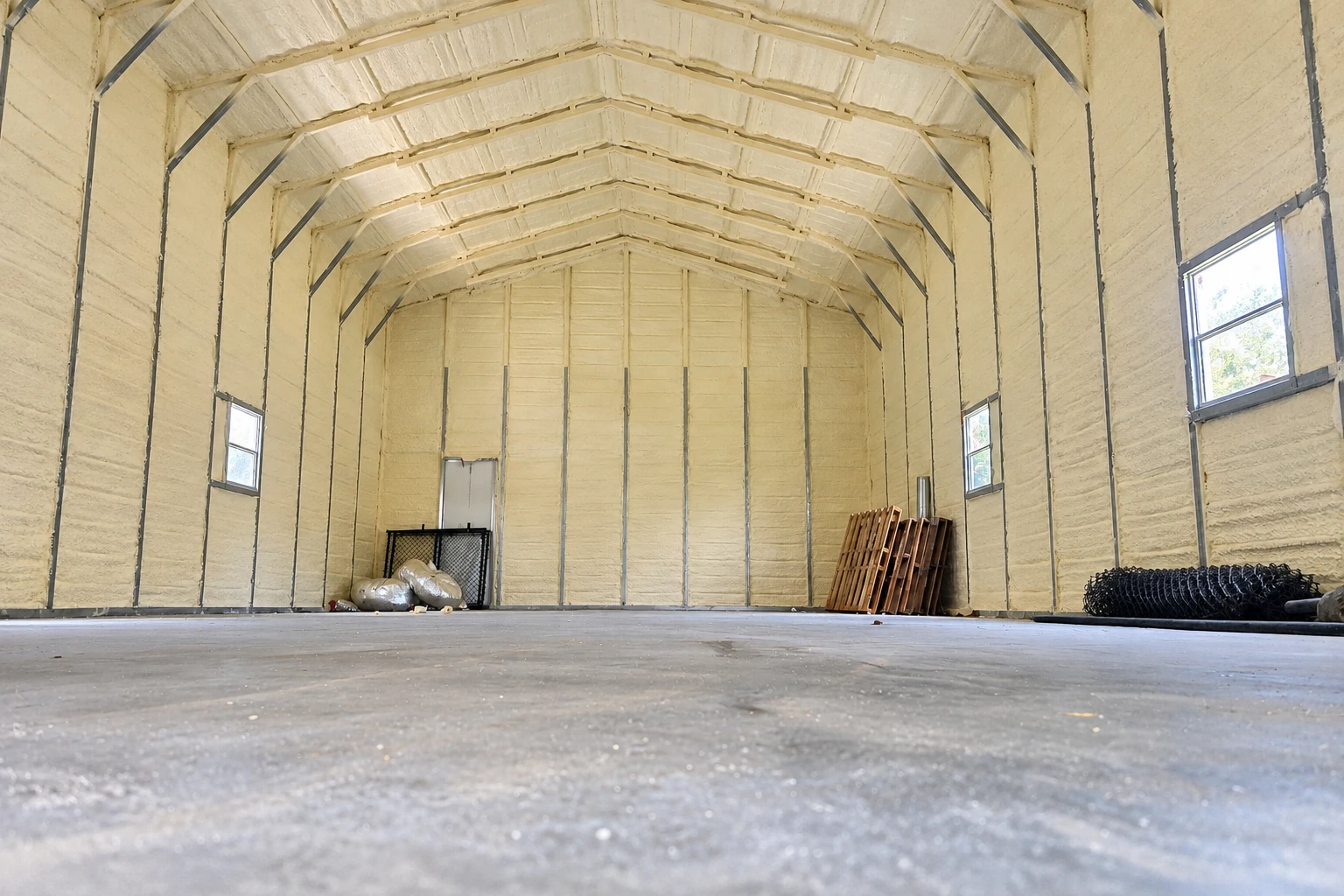
A large commercial building interior has pale spray foam coating its arched ceiling and walls, with a concrete floor and a few stored materials.

How Rosedale houses shape an insulation job

Rosedale is mostly single-family houses, and most of them are lived in by the people who own them. So when someone here calls an insulation contractor, it's usually about a house they plan to stay in. The upstairs runs hot, the room over the garage never warms up, or the power bill keeps creeping. Rosedale is a short drive from Bel Air South and on the same side of Baltimore County as White Marsh, and we do the same work here that we do across Harford County.

In a single-family house the attic is usually the place to start, because heat leaks out the top and the gaps around lights, pipes and the hatch hide under whatever insulation is already up there. What we find when we lift that old layer shapes the job more than anything else.

Insulation services we bring to Rosedale homes

Everything we offer in Harford County we also offer in Rosedale, from a simple attic top-up to closed-cell foam on crawl space walls. Most houses don't need all of it. I come out first, look at the attic, the walls and whatever is under the house, and then we decide together which pieces are worth doing and in what order. Plenty of homes need two or three of these services, and some only need the gaps sealed. Here's what each one is for.

  • Spray foam insulation

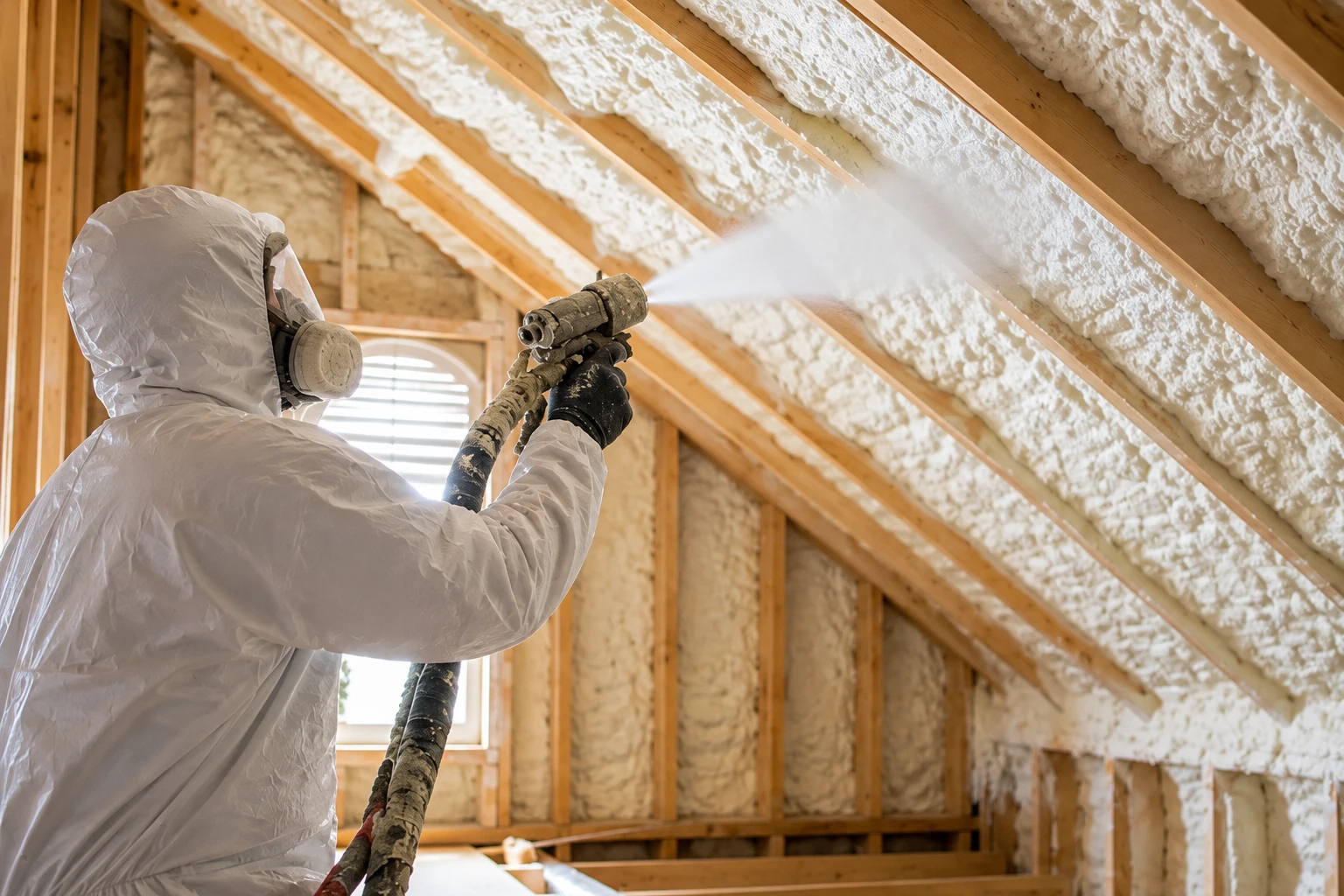
    When a room over the garage stays cold no matter where the thermostat sits, the floor and walls around it usually leak air as badly as they lose heat. Spray foam seals and insulates in one pass, so we use it where the gaps are too many or too awkward to chase one at a time.

    Explore service
  • Attic insulation

    A hot upstairs is the most common reason people call us, and the attic is nearly always the cause, because old insulation settles thin or gets pushed aside over the years. We measure how many inches are up there, seal the gaps, then bring the depth up evenly, edges included.

    Explore service
  • Blown-in insulation

    In an open attic with room to move, blown-in insulation, loose fill sent through a hose, is usually the best value. We keep it off the eave vents and blow the edges as deep as the middle, which is exactly where rushed jobs fall short.

    Explore service
  • Home insulation

    If several rooms feel off and the power bill keeps climbing, the fix is rarely one spot. We walk the attic, the walls and the space underneath, then tell you which part is worth doing first and which can wait.

    Explore service
  • Insulation removal

    Insulation that got soaked from a roof leak or filled with droppings has to come out, because new material laid on top just hides the problem. We bag it out, clean up and check the framing before anything new goes in.

    Explore service
  • Crawl space insulation

    Cold floors over a crawl space usually mean the insulation underneath has sagged or fallen down. We check for moisture down there first, since insulating a damp crawl space just traps the damp, then insulate to suit what we find.

    Explore service
  • Wall insulation

    Some older walls have little or nothing in them, and you feel it as cold outside walls in winter. We can blow insulation into closed walls through small holes and patch them, so you don't have to tear out drywall.

    Explore service
  • Air sealing services

    Drafts around outlets, baseboards and the attic hatch are air leaks, not a shortage of insulation. Air sealing, closing those gaps before anything else, is often the cheapest thing we do that you'll actually feel, so we'll usually suggest it first.

    Explore service
  • Basement insulation

    A basement that never warms up usually has bare block walls or open rim joists, the band of framing that sits on top of the foundation. We seal and insulate those with a material that handles basement moisture instead of soaking it up.

    Explore service
  • Closed-cell foam insulation

    Closed-cell foam, a dense foam that blocks moisture, earns its cost on rim joists, crawl space walls and anywhere damp meets cold. We don't use it everywhere, because in a dry attic a cheaper material usually does the job.

    Explore service
  • Open-cell foam insulation

    Open-cell foam is softer and lighter, and it suits rooflines and walls where you want air sealing and a quieter room but moisture isn't the worry. We'll tell you plainly when it's the better buy and when loose fill wins.

    Explore service
  • Commercial insulation

    Small commercial buildings leak the same way houses do, just over bigger ceilings that nobody has looked at in years. We plan the work around your hours and bring in a licensed trade if electrical or heating work turns up.

    Explore service
  • Crawl space vapor barrier

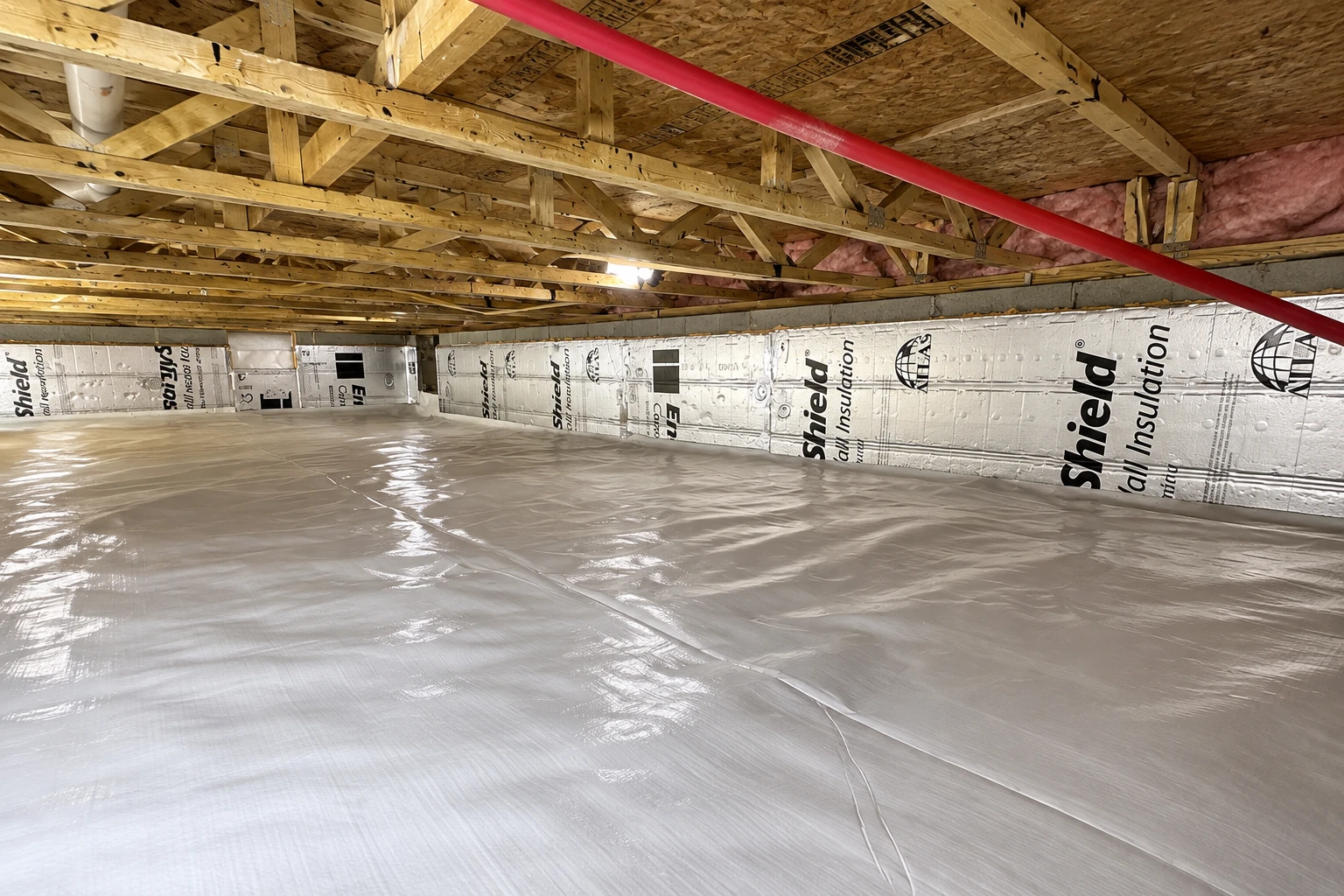
    Bare dirt in a crawl space puts moisture into the air under your floors all year. We lay and seal a vapor barrier over the ground so the insulation above it stays dry and keeps doing its job.

    Explore service
  • Vapor barrier installation

    Where a wall or floor sits between a warm room and a cold, damp space, moisture moves toward the cold side and can collect in the framing. The barrier has to go on the side that particular wall or floor needs, so we check before we install.

    Explore service
  • Attic air sealing

    This is the job we're best known for, because gaps around can lights, pipes, wires and the hatch let warm air pour into the attic no matter how deep the insulation is. We seal those first, then insulate, so the new layer isn't fighting a draft.

    Explore service
  • Retrofit insulation

    Retrofit work means adding insulation to a house people already live in, working around wiring, ductwork and stored boxes. It's the work I got into this trade for, and it always starts with a careful look before any quote.

    Explore service

Working in Rosedale: permits, licenses and what moves the price

Rosedale is in Baltimore County, like Perry Hall, so the county's rules apply here rather than Harford County's. Here's what that means before we start, and what changes the price and the schedule.

Who issues the permit and what to check

Building permits in Rosedale come from Baltimore County's Department of Permits, Approvals and Inspections. The county's list of work that needs no permit names things like painting, tiling and cabinets, and insulation isn't on it, so I check with the county for your address before we schedule anything. If a permit is needed, we take care of it, and that gets settled before your start date.

You can check us the same way you'd check anyone. Every contractor who does home improvement work on a Maryland house with up to three units needs a license from the Maryland Home Improvement Commission, and businesses based in Maryland may also need a local license from their county's Clerk of the Circuit Court. Ask any contractor about both before you sign.

  • Baltimore County, not Harford County, handles building permits for Rosedale homes.
  • We confirm with the county whether your job needs a permit.
  • Ask any contractor for their state home improvement license before signing.

What moves the price and the schedule

The price mostly turns on what's already in your attic. If the old insulation is dry and just thin, we seal the gaps and top it up, which is the less expensive route. If it's soaked or full of droppings, it has to come out first, and that's real labor. How easy the attic is to reach and how many lights and pipes we seal around add to it too.

Material matters as well, since foam costs more than loose fill and I'll only suggest it where it earns that. The schedule turns on whether a permit is needed, whether old material has to come out, and whether a licensed electrician or plumber has to come in first. When I come out to look, I'll walk you through what applies to your house.

  • Old insulation that's wet or dirty comes out before anything new goes in.
  • Can lights, pipes and the hatch get sealed before the attic is covered.
  • Eave vents stay clear so the attic keeps breathing after we leave.

Get a free on-site insulation estimate in Rosedale

Send the form or call (410) 836-5406, and we'll get back to you within one business day to set a time. I come out to your Rosedale house myself, look at the attic and anything else that's bothering you, and talk it through with you. The estimate is free, and there's no obligation.

(410) 836-5406

What we look for in Rosedale attics and crawl spaces

These are the things we check for every time we climb into an attic or crawl space in Rosedale. None of them is unusual, but each one changes what the job needs and the order we do it in.

  • Insulation that's settled thin

    Loose insulation packs down over the years, so an attic that started out deep may only have a few inches left. We measure in several spots, because the middle and the edges are often very different, and the edges are where heat gets out first.

  • Gaps hiding under the old layer

    Can lights, plumbing stacks, wiring holes and the attic hatch all leave openings into the rooms below. Warm air rides up through them all winter, which is why we pull back the old insulation and seal those openings before we add a single inch.

  • Buried eave vents

    When insulation gets pushed into the eaves, it can bury the vents that let the attic breathe, and moisture ends up in the roof framing. We set baffles, simple chutes that hold insulation back from the vents, so air keeps moving after the job is done.

  • The room over the garage

    A bedroom over the garage has cold air under its floor and often on three sides, so it's usually the room people complain about most. The floor between the two spaces generally needs both sealing and insulation, and we check it from the garage side too.

  • Ductwork running through the attic

    When the heating and cooling ducts run through the attic, they sit in the hottest and coldest part of the house. That's when foam at the roofline can be worth its higher cost. Otherwise, sealing the gaps and topping up loose fill usually wins, and I'll tell you which fits your house.

Why our attic work starts with sealing, not insulation

We've been insulating lived-in houses since 2017, and the way we work comes from that. Here's what you can expect when you call us, from the first look at your attic to the walk-through at the end.

Leaks and safety first, insulation last

I started out insulating new houses for builders, and moving into lived-in homes taught me that every attic has its own story. Somebody added a light, somebody ran a cable, a roof leaked once and dried out. If we bury all that under fresh insulation, the drafts and the damp stay put, so we sort those things out first.

That means looking before I quote. When something turns up that isn't ours to fix, like old wiring or a leaking pipe, we bring in a licensed trade for that part instead of covering it over. And if your attic's in decent shape and the job wouldn't pay you back, I'll say so. When you'd like me to take a look, call (410) 836-5406.

  • The owner comes out first

    I'm the one who comes to your house, climbs into the attic and talks through what I find. Our installers do the work, I check in while it's going, and I go over the finished job with you before we call it done.

  • Licensed, insured, satisfaction guaranteed

    We're licensed and fully insured, so you're not taking on the risk of a crew working in your attic. Satisfaction is guaranteed on every job, and the final walk-through with me is the time to point out anything that doesn't look right to you.

  • Honest about what's worth doing

    Plenty of attics need sealing and a top-up, not a full tear-out or wall-to-wall foam. I'd rather tell you a job isn't worth the money than sell it to you, and I'll explain why either way so the decision is yours.

  • Insulating homes since 2017

    We're based in Bel Air South and have worked across Harford County and into nearby Baltimore County since 2017. You'll come away understanding your house a bit better, because I'd rather explain how your attic works than just hand you a number.

Questions Rosedale homeowners ask about insulation

These are the questions we hear most from homeowners in Rosedale and around Baltimore County. If yours isn't here, ask me when I come out, because I'd rather answer it than leave you guessing.

How much does it cost to insulate an attic in Rosedale, MD?

There isn't one honest number for every house, because the cost depends mostly on the attic's size, how much insulation is already up there and whether any of it has to come out first. The choices you control matter too. Blown-in over sealed gaps is usually the budget route, while spray foam costs more and mainly makes sense when the ductwork is in the attic. I'll price it after I've seen it.

How long does it take to insulate an attic in Rosedale, and do we have to leave the house?

For blown-in insulation you usually don't have to leave, though it's best to keep kids and pets away from the hatch while the crew works. Spray foam is different, because it has a re-entry time, the wait before people and pets come back inside, and we'll tell you that before the day so you can plan around it. How long the crew is up there depends on the attic's size and whether old material comes out first, so ask me when I come out.

What building code applies to insulation work in Rosedale, MD?

Rosedale homes fall under Baltimore County's building code, which includes the International Energy Conservation Code along with the county's own amendments. That's the part of the code that deals with insulation and air leaks in houses.

How do I protect myself if a contractor does a bad job in Maryland?

Start by hiring a licensed contractor, since licensed home improvement contractors in Maryland have to carry $50,000 in liability insurance and keep it in effect at all times. If home improvement work turns out unworkmanlike, inadequate or incomplete, the state Home Improvement Commission's Guaranty Fund will compensate a homeowner up to $20,000, or the total paid on the contract.

Service areas

Rosedale is one of twelve cities with its own page on this site, from Bel Air South to Aberdeen, and we work in plenty of others around them. If your address isn't listed, call or send the form and ask.

Ask about your location
(410) 836-5406Get an estimate